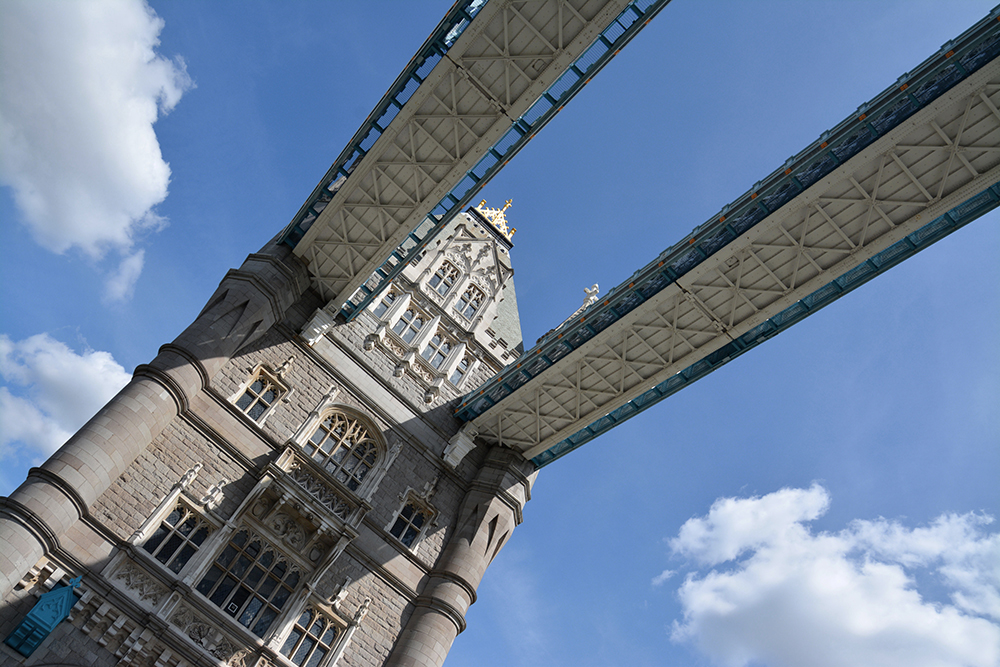
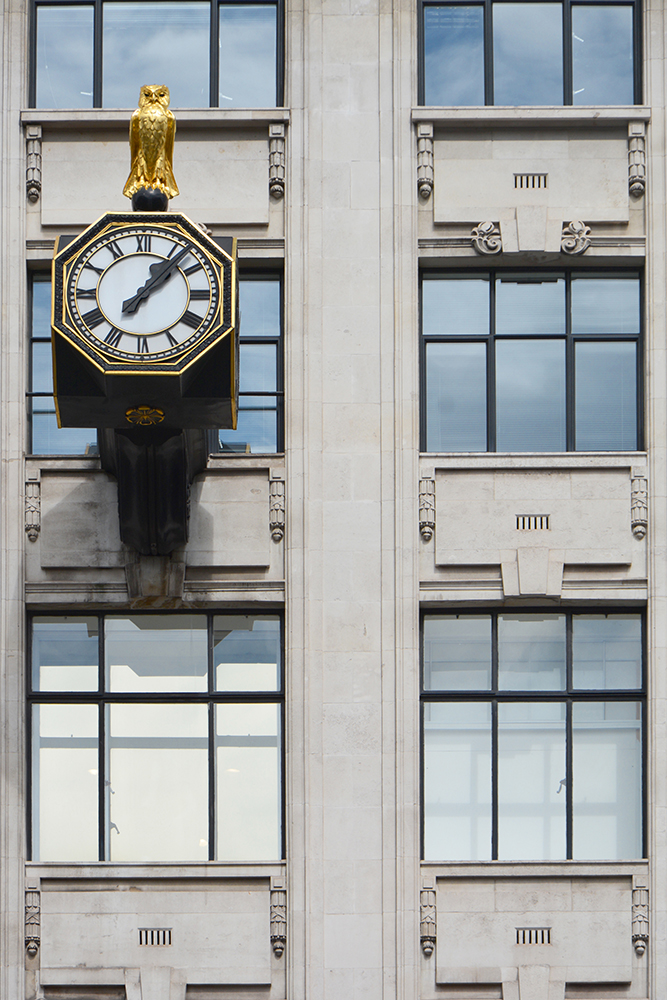
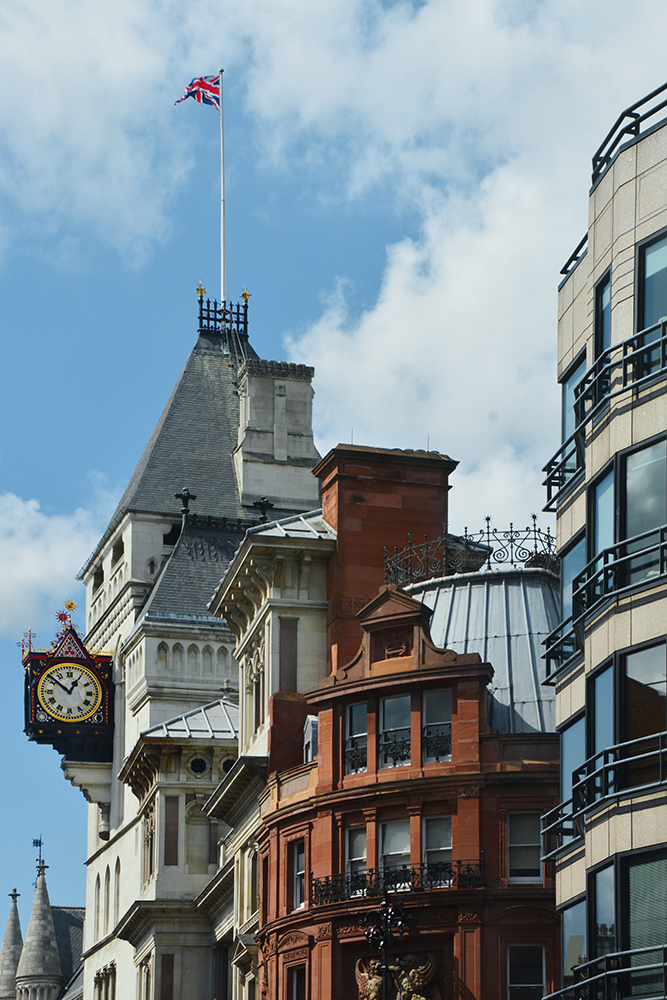
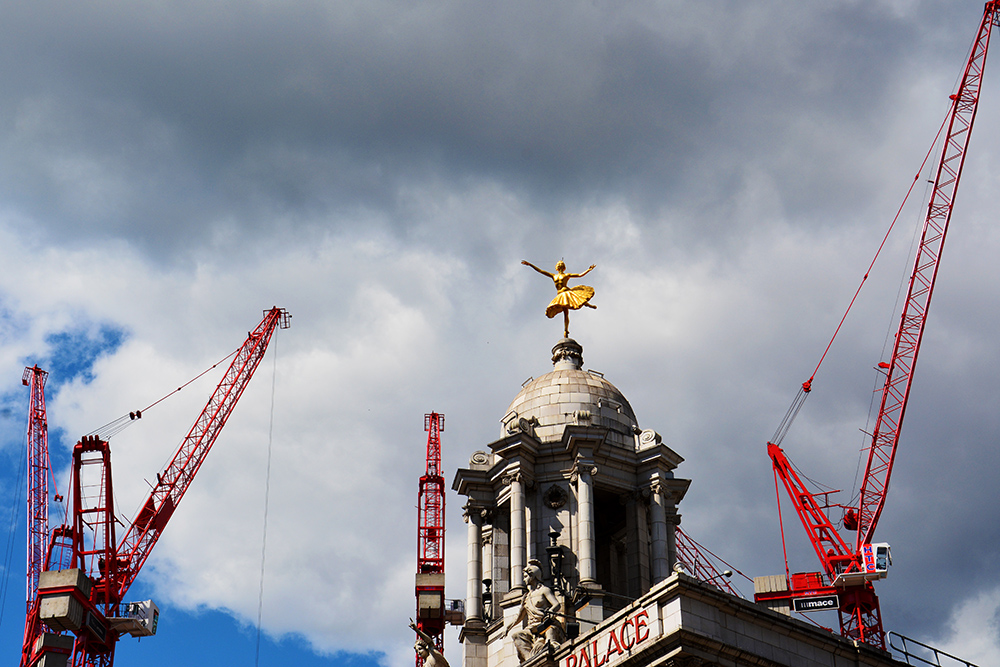
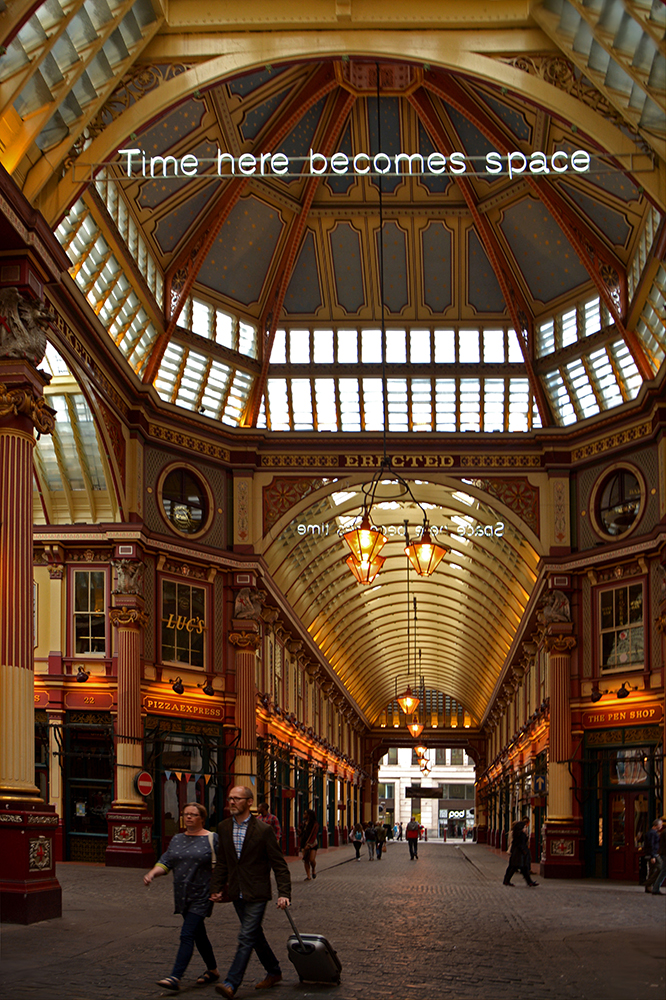
In the foreground, the architecture of London attacks with clocks. As befits the bustling capital, time plays a very important role here. Or maybe more of a lack of it? A stream of rushing people grabs you and carries you deeper into the city. Sometimes it feels like it’s also time travel. Another strong accent is the colour red, which energises us into a state of alert. However, its influence is strangely not vulgar and flashy – you know – keeping English manners first.
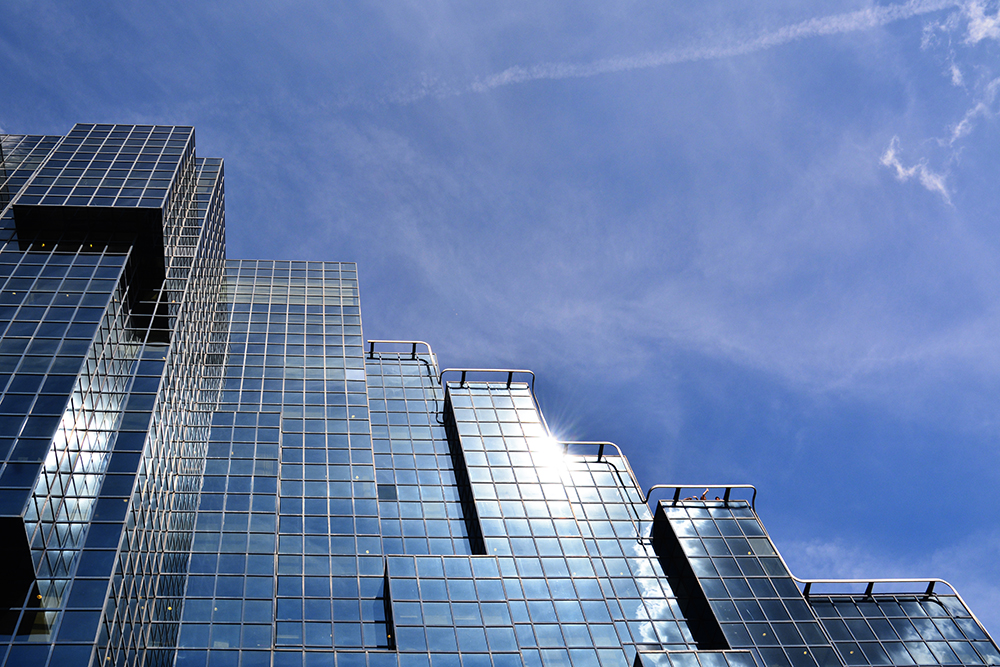
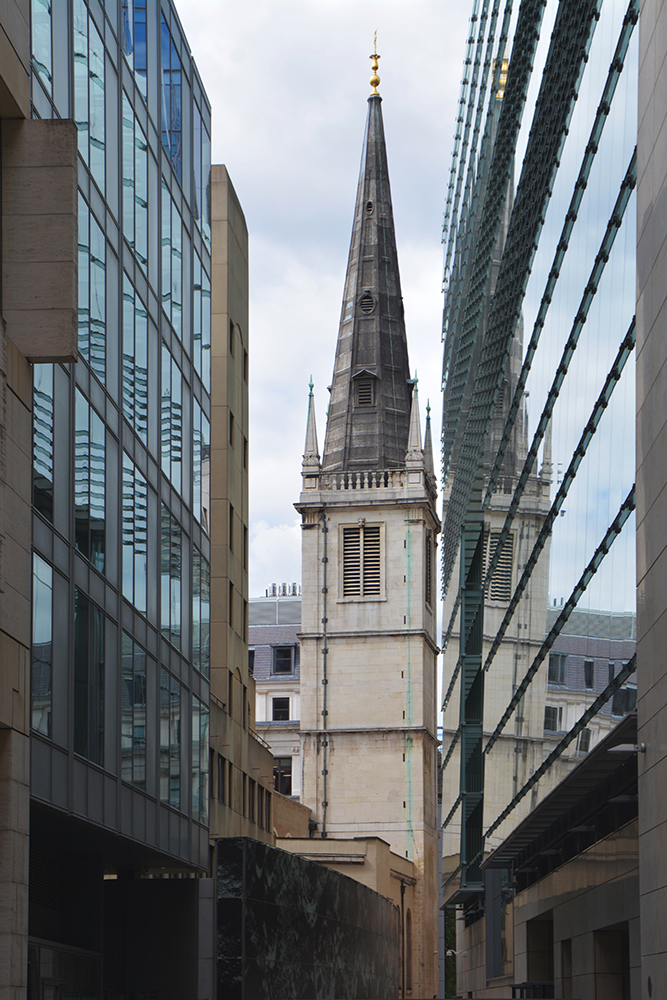
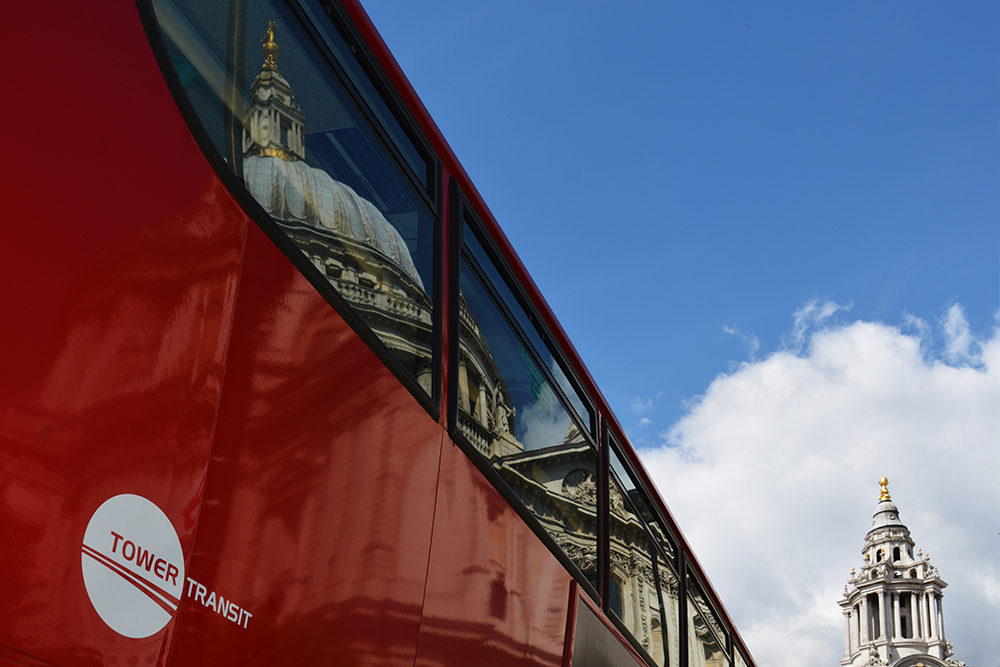
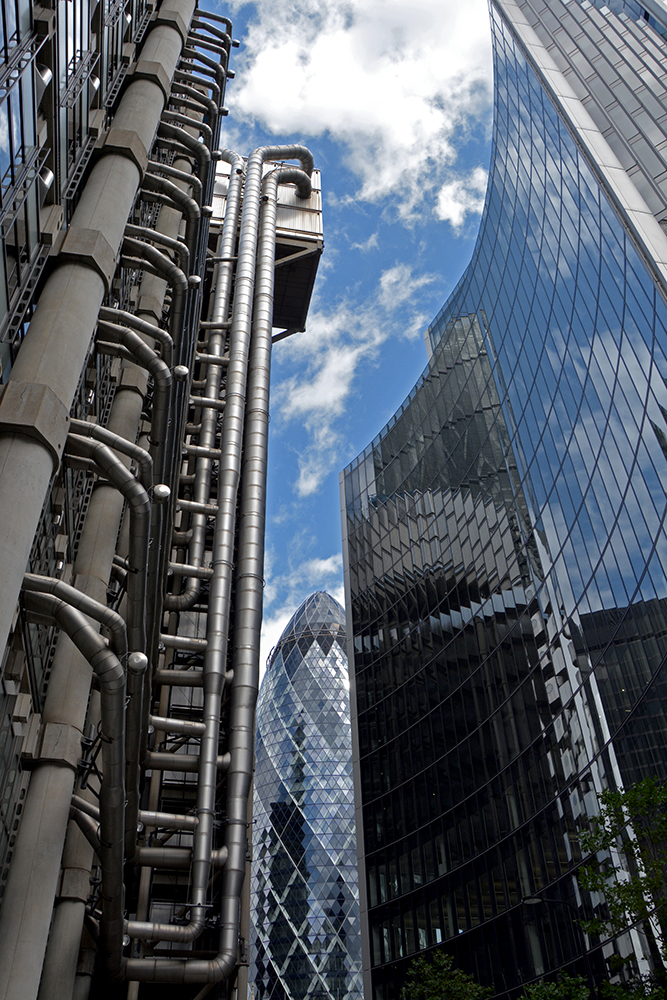
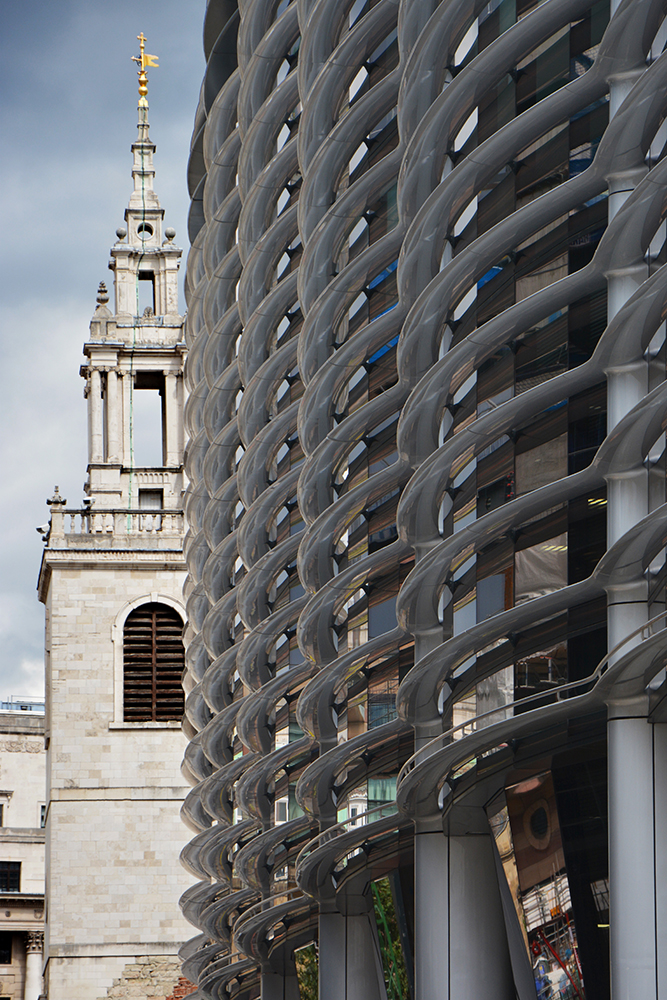
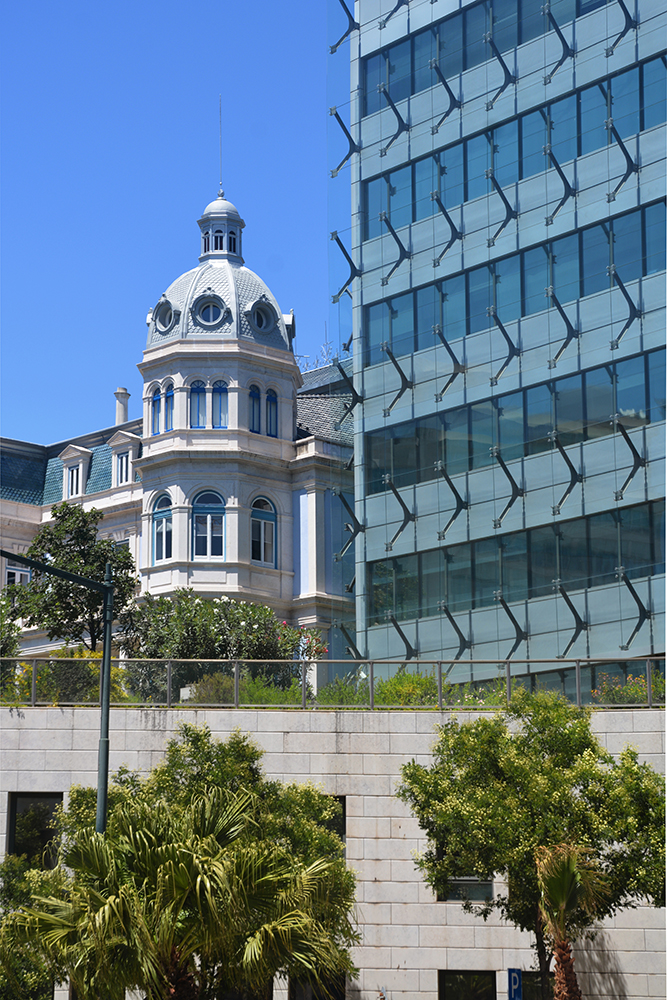
Subsequently, glass skyscrapers. If you do not get lost in the left-hand rise, it is possible to notice that a new city is reflecting the past. The modern, glass architecture of London reflects its history. Glass has become one of the most popular materials in contemporary design. Reflective facades enhance the mirror effect, creating a parallel reality. Elements of urban space are not physically connected. Centuries-old buildings are visible in every piece of glass facades. They look a bit like elegant old-school gentlemen who do not flaunt their presence, hiding in the shadow of modernity, but still exude their charm.
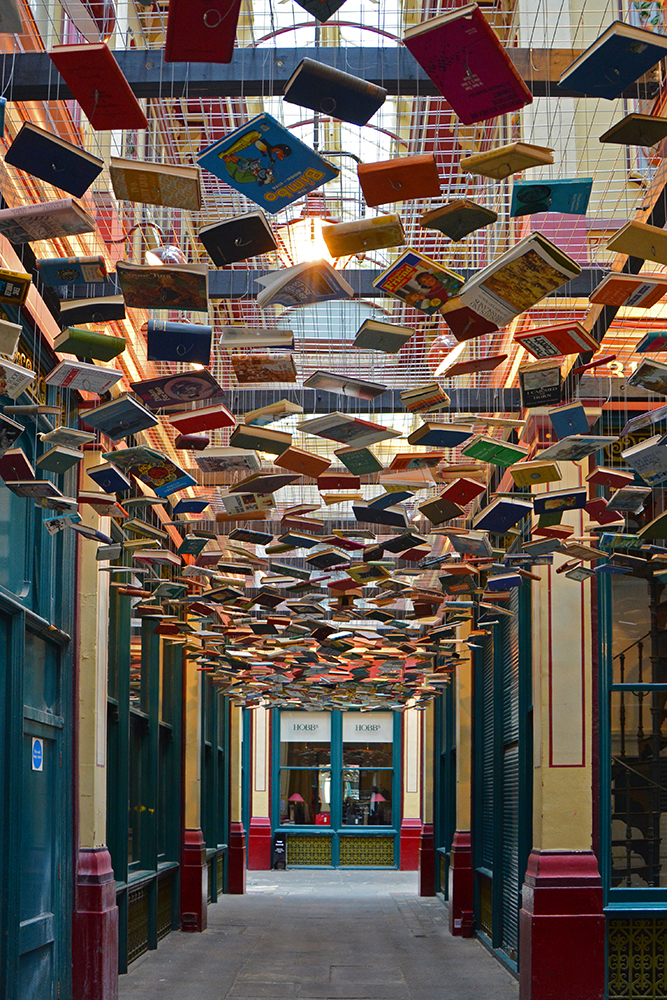
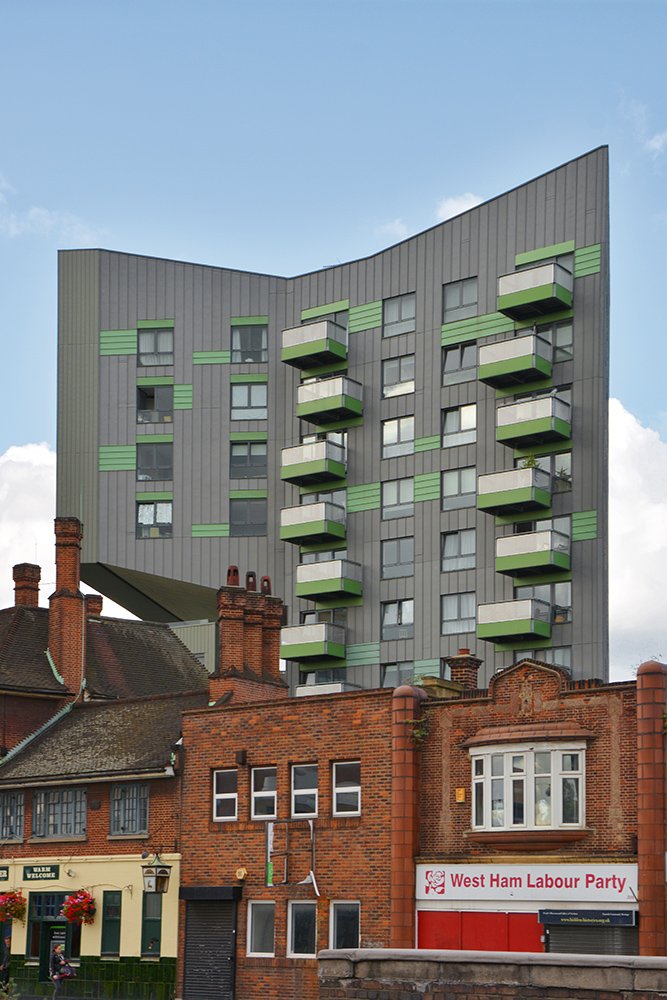
Background: repeating signs. Modest facades of terraced houses politely wait for their owners. The subtle scent of green tea and coffee fills the café space but never goes out onto the street. The promise of rain and grey smog hangs in the air. This is how it should be – the last plan highlights only the main characters, remaining unitary, modest and grey.
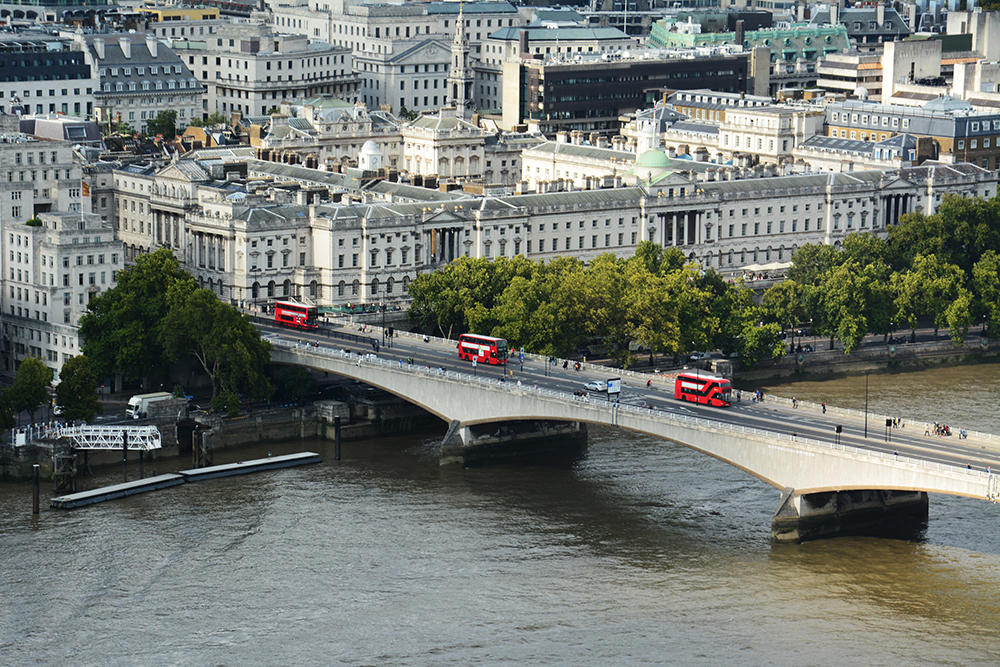
You are at the end of it all – just a visitor, with a kind invitation to admire the city. Don’t be fooled, you’re not the observer here. It’s London watching you from behind the two-way mirror of facades. Enjoy your visit!
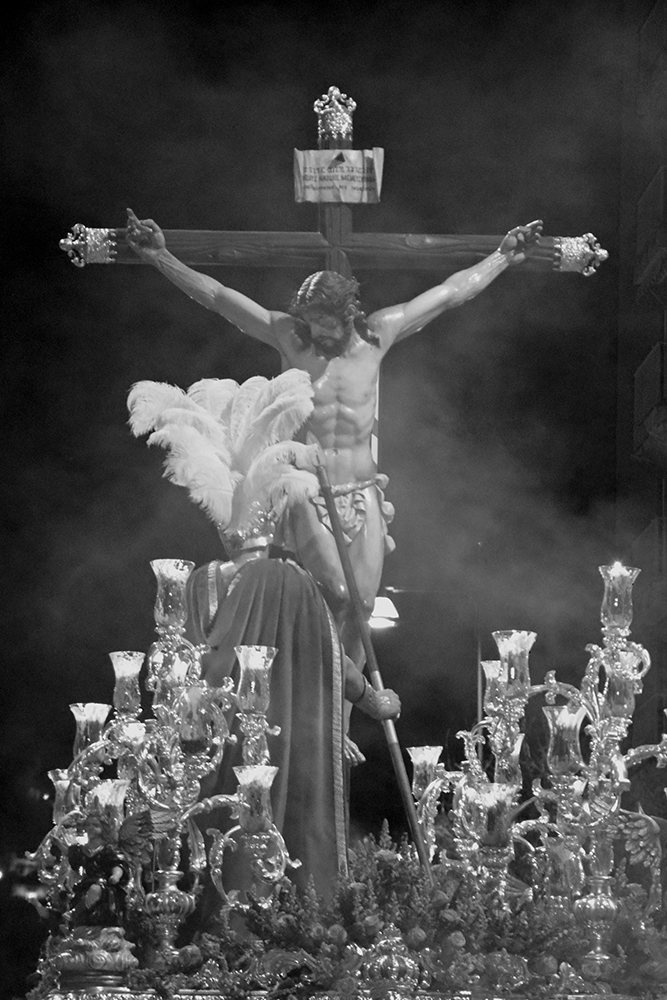
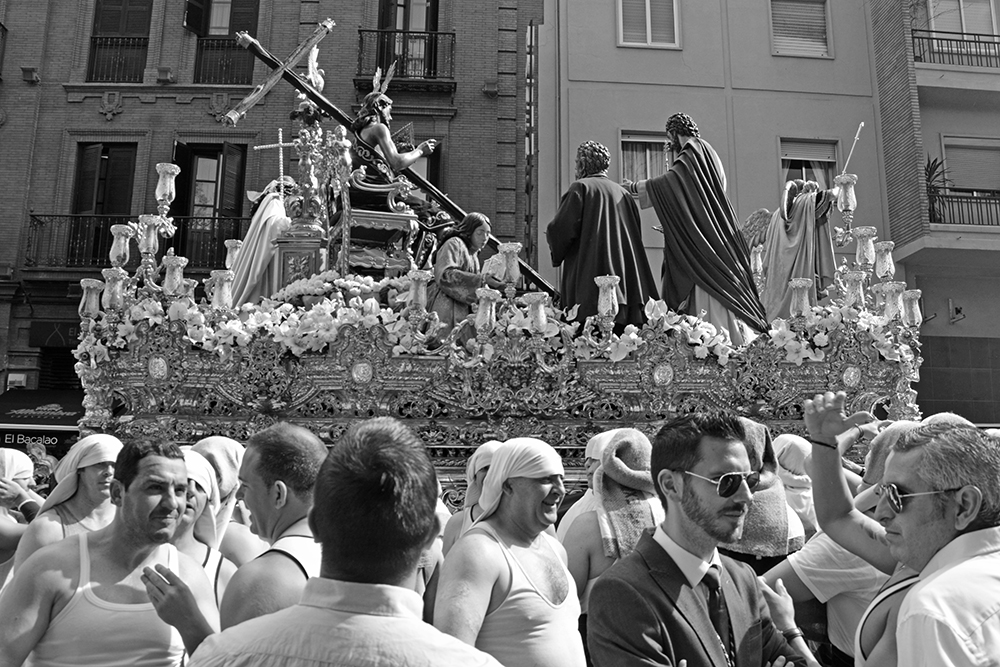
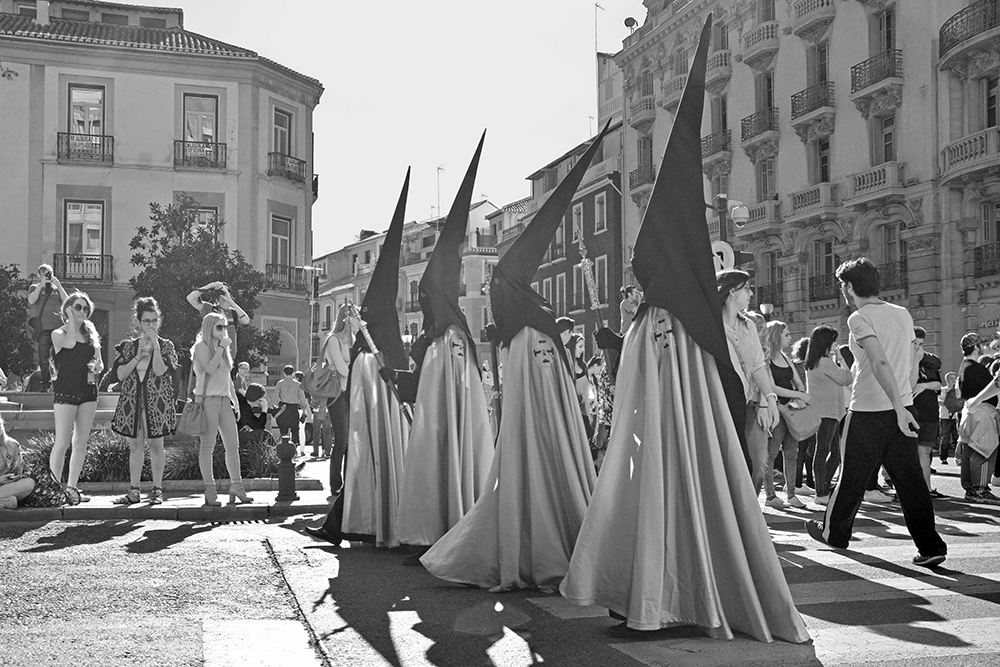
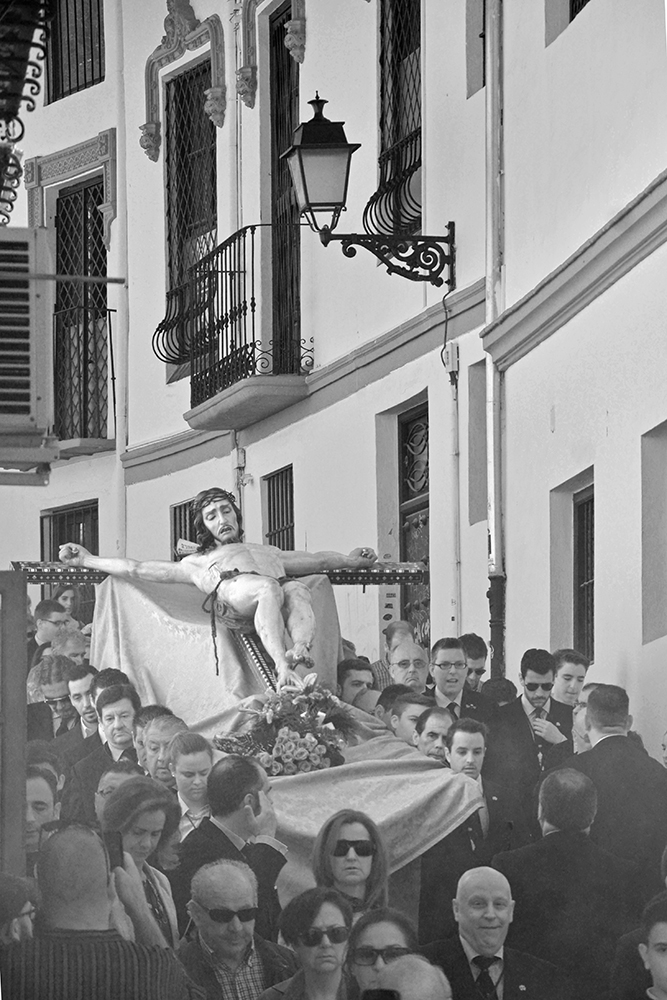
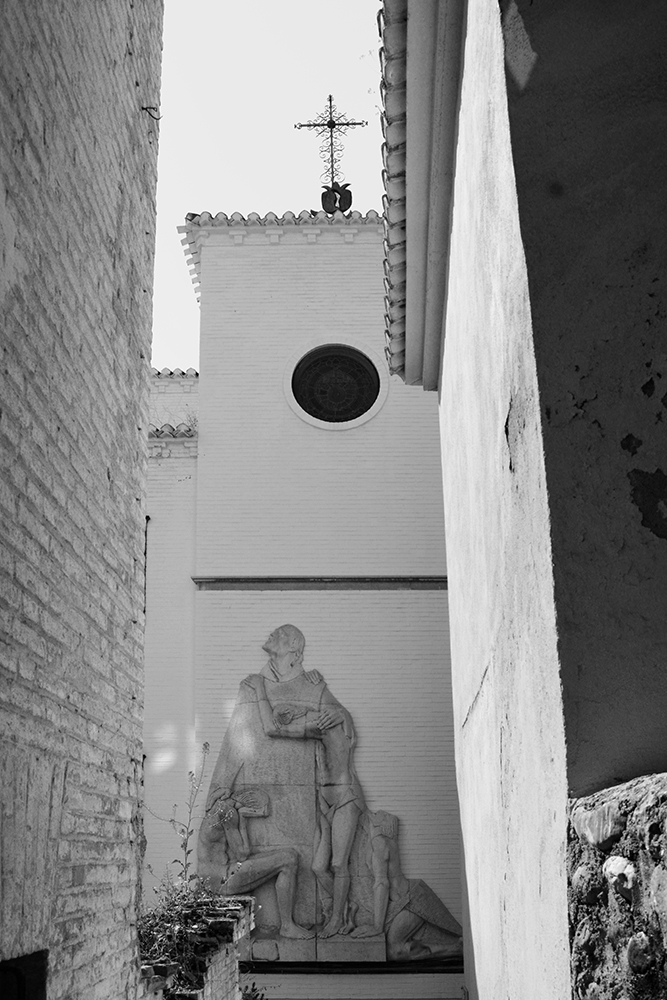
Celebration of Easter in Spain lasts from Palm Sunday until Resurrection Sunday. The tradition of processions2 comes from the 14th century and is popularized especially in Andalucia.
Procession
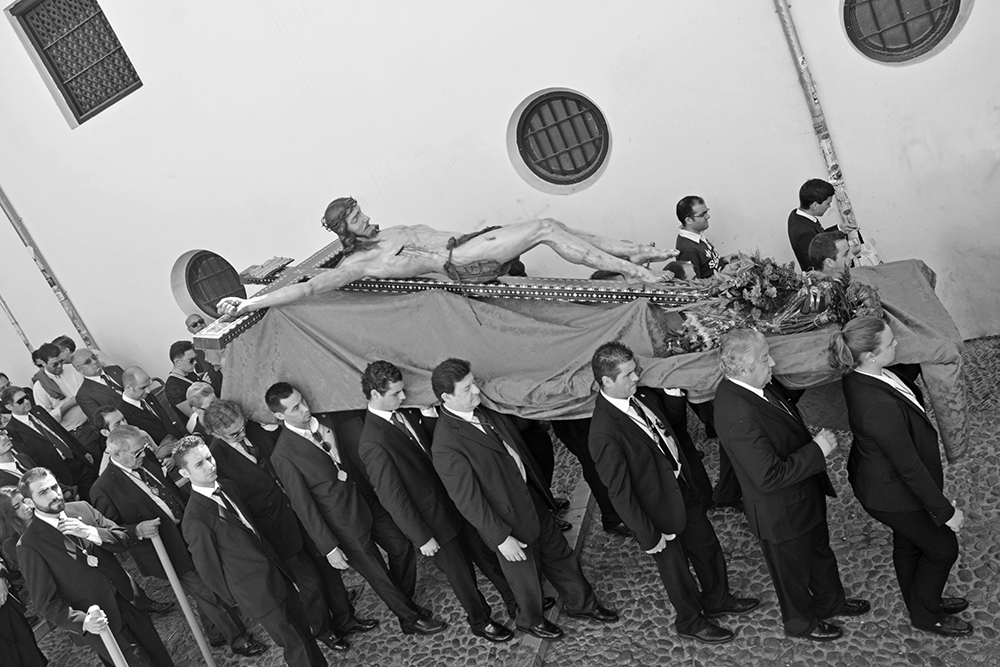
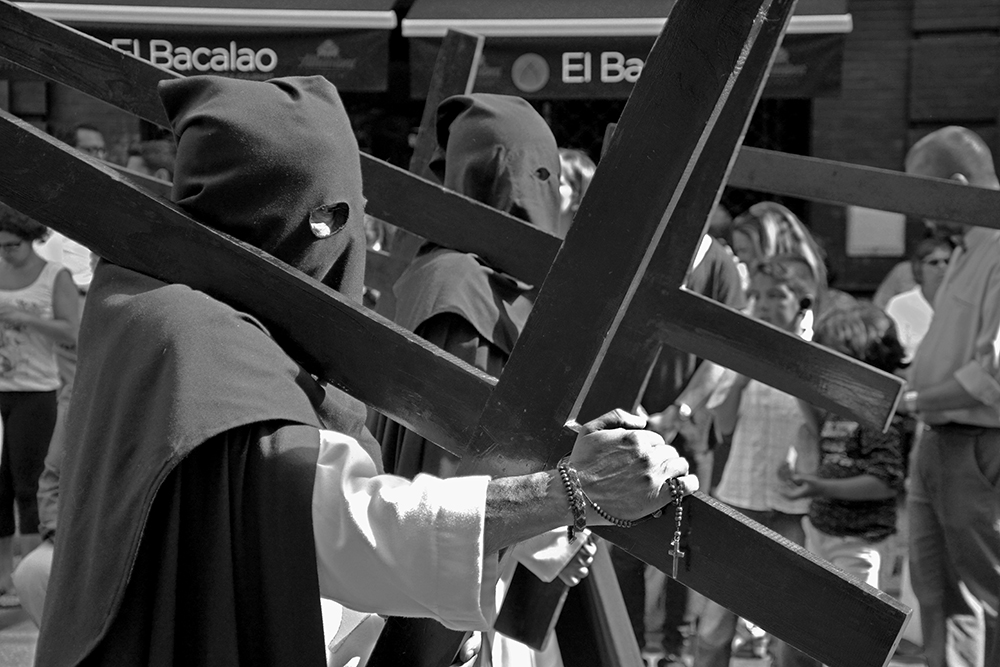
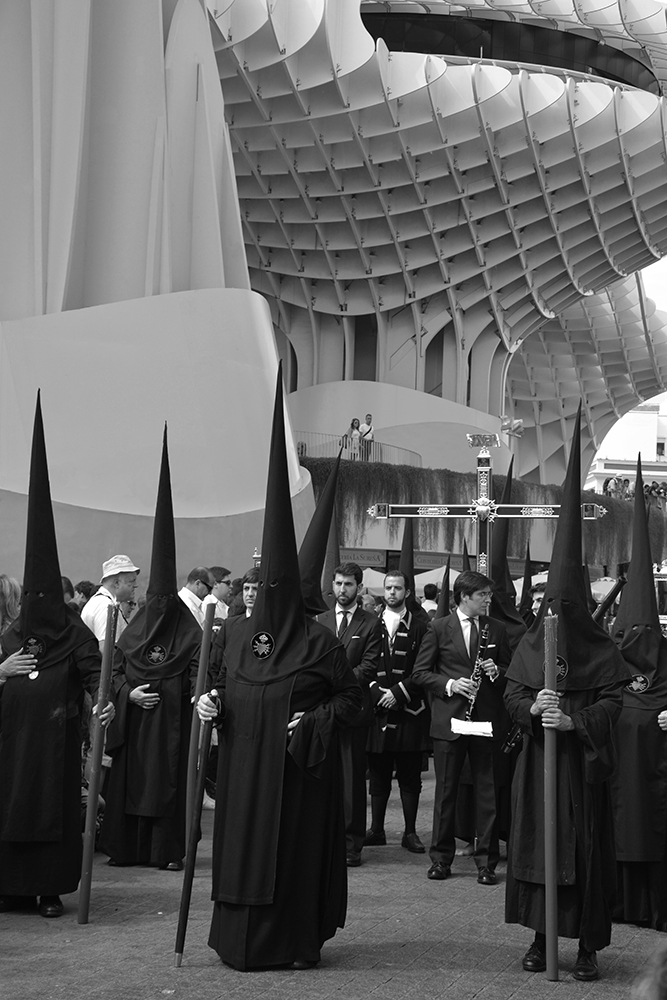
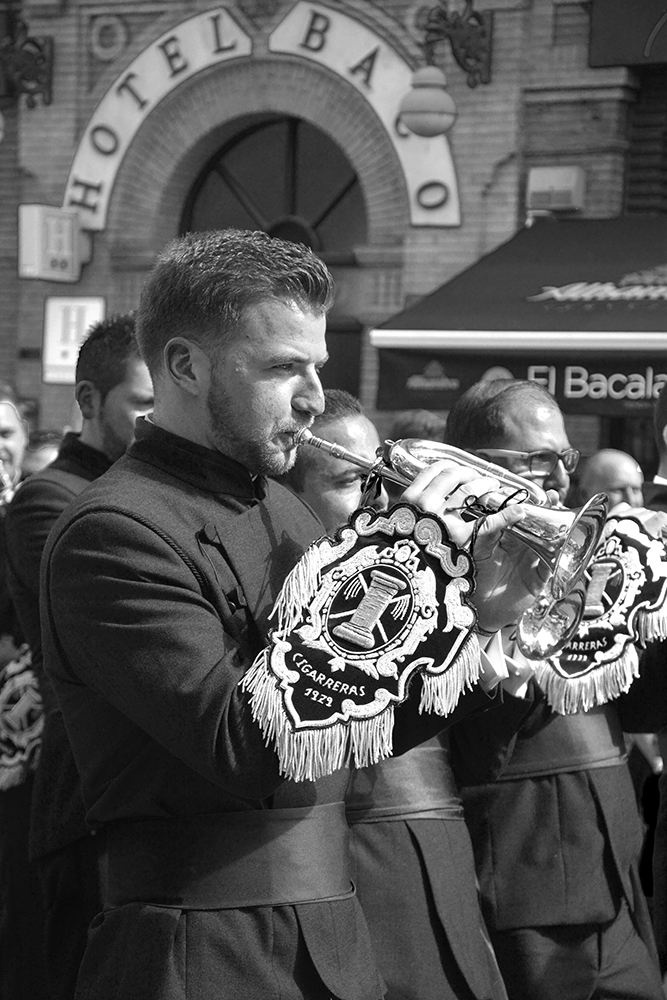
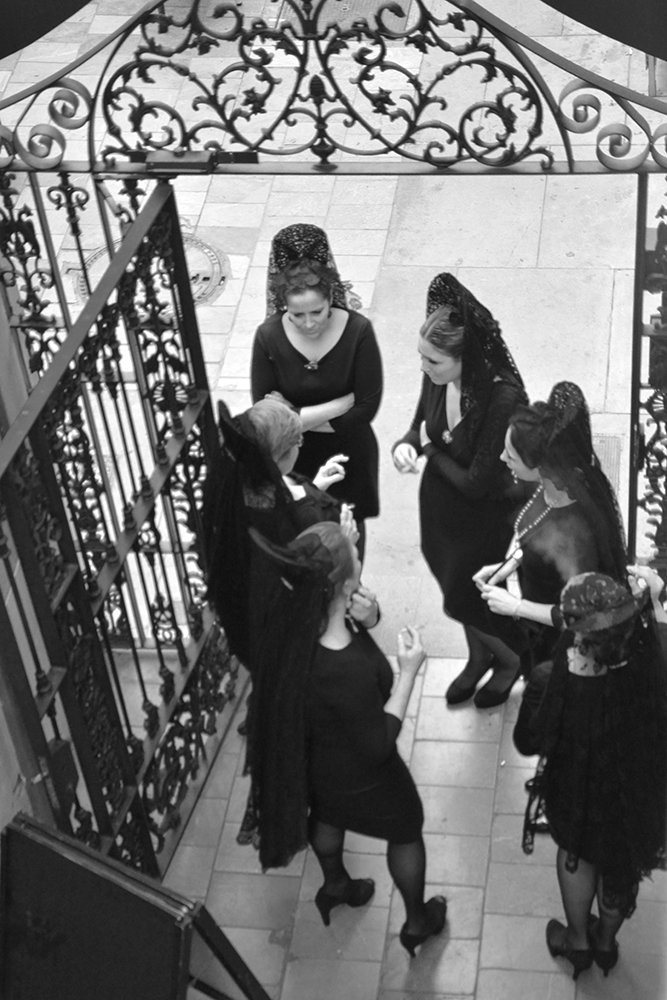
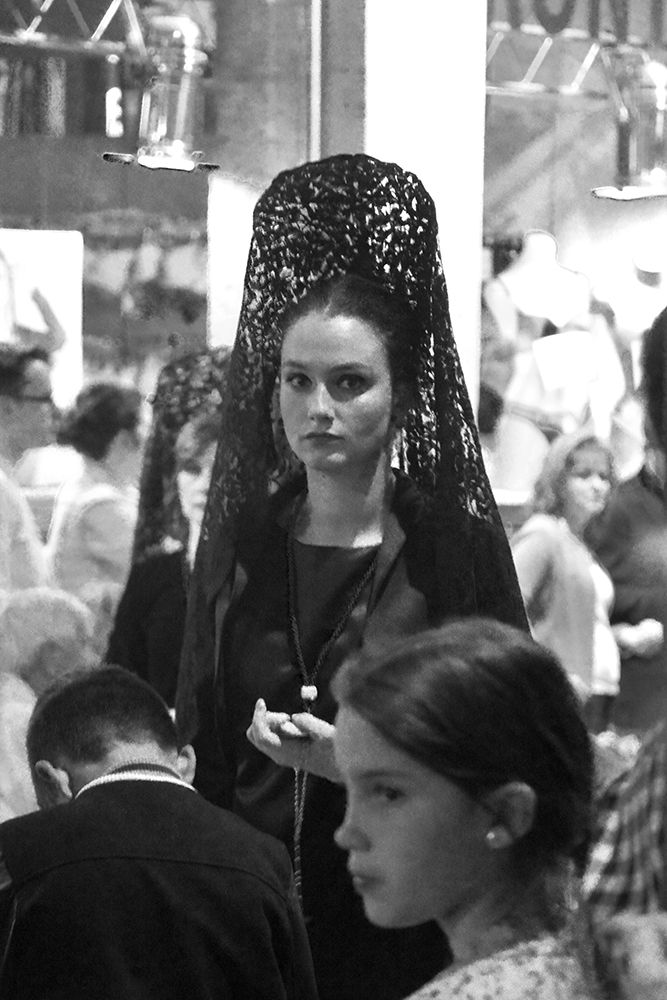
The procession has a particular order. Black dressed women inaugurate the march. Their veils and decorative metal or pearl crests symbolize respect for the death. A guiding cross and silent Nazarenes3 come after them. Their penitential ceremonial with characteristic peaked hoods dates back to the medieval robe of the Inquisition’s convicts. They have particular tasks: Nazarenos de Fila march next to an altar, Nazarenos de Luz carry blessed candles and Penitentes wooden crosses. The old altar on the platform, which represents scenes from Passion. It weighs about 200 kg and is carried by around 50 men4, who change at every stop. Bearers are invisible, so it seems that the altar is moving on its own. A marching band follows the platform and gives rhythm to the march. The Nazarenos close the entire procession. Citizens and tourists fill to the brim streets, balconies, windows … and often bars.
Contrasts
Easter in Spain has impressed me. Mainly because of an omnipresent contrasts. Silent procession and sombre rhythm of drums blend into happy chatter from the bars. Costumes of the Nazarenos are scary, despite intensive colours.Penitents – Spanish beauties – are marching proudly in elegant dresses, but smoking cigarettes around the corner. Incenses are mixing with the smell of food. Crucified Jesus moves with the crowd on sun-drenched streets. The procession plays its role behind the curtain of dignity, anxiety and sublimity. It crosses lively streets in silence and disappears like a phantom. The crowd merges with it like the Red Sea5. Still, the sound of drums stays inside the head, long after the procession is gone.
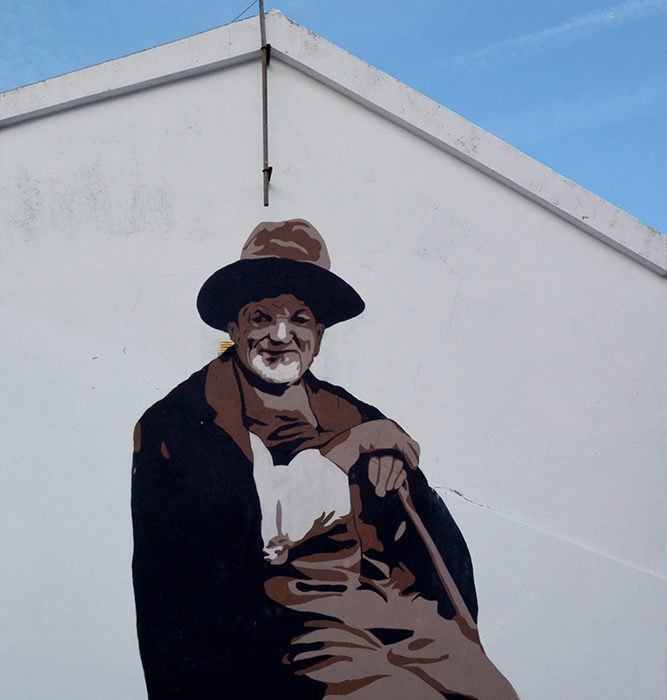
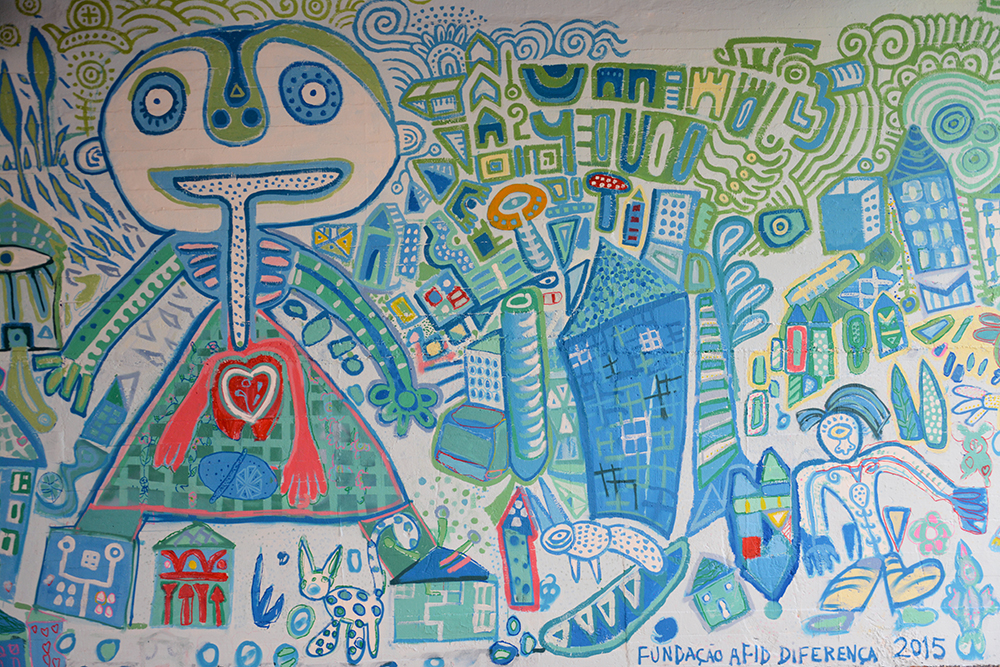
What do we think about people from sunny Portugal? Cheerful, easy-going Southerners? However, the vibrant street art in Portugal vividly portrays their dynamic personality in a totally different way. The excerpt from a piece by the Lisbon poet cited below also reveals the rather melancholic and introspective character of Portuguese individuals.
Álvaro de Campos The tobacconist
I am nothing. I shall always be nothing. I can wish to be nothing. That apart, I have in me all the dreams of the world.
There is a word in Portuguese, which cannot be translated directly into any other language – saudade. If you have ever felt simultaneous longing for a past moment and gratefulness for what has happened to you, it was saudade. The feeling was accompanying discoverers who sailed away to look for new worlds. Families waiting for their return. Fado1 musicians from Alfama. Fernando Pessoa2 with his numerous personalities. Returning emigrants from the former colonies, who lost their estates. Victims of António de Oliveira Salazar’s regime3. The Portuguese sun outshines emotions, but saudade is written on the urban walls and doors in a very particular way. Therefore, the street art of Portugal reflects a not so obvious influence of history and subtle features of citizens’ characters, including a sense of longing, gratitude, dynamism, introspection, vibrancy, historical resilience, emotional depth, and cultural richness.
Graffitis’ text translations
Contento-me com pouco, mas desjo muito. A few things are making me content, but I desire a lot.
Abre los olhos. Open your eyes.
O Senhor, filho de Lisboa. Sir, son of Lisbon.
Quando for grande, quero ser feliz. When I grow up, I want to be happy.
Sozinhos vamos rapido, juntos vamos longe. Alone we go fast, together we go far.
Annotations:
1A genre of music called Portuguese Blues. 2One of the most prominent Portuguese poets, who used numerous pseudonyms. 3Portuguese statesman, Prime Minister, responsible for the New State (pt.Estado Novo) – an authoritarian government until 1974.
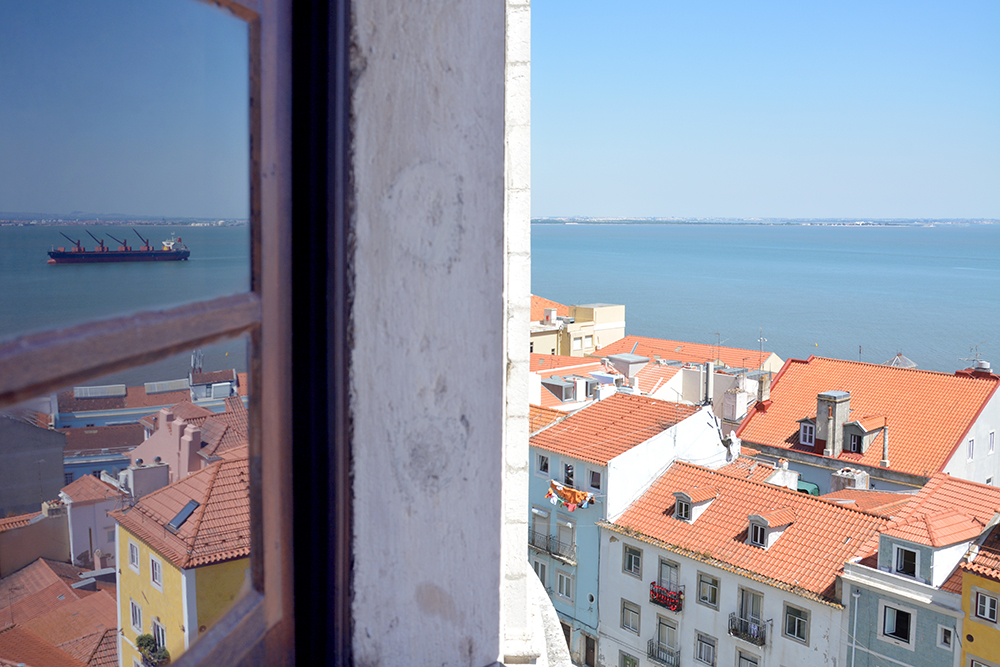
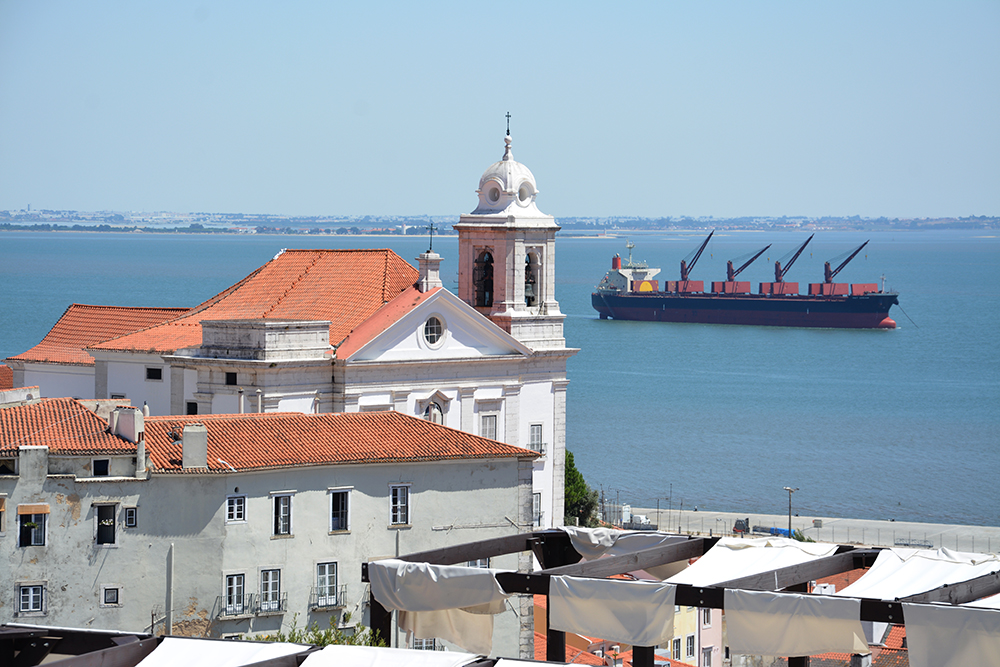
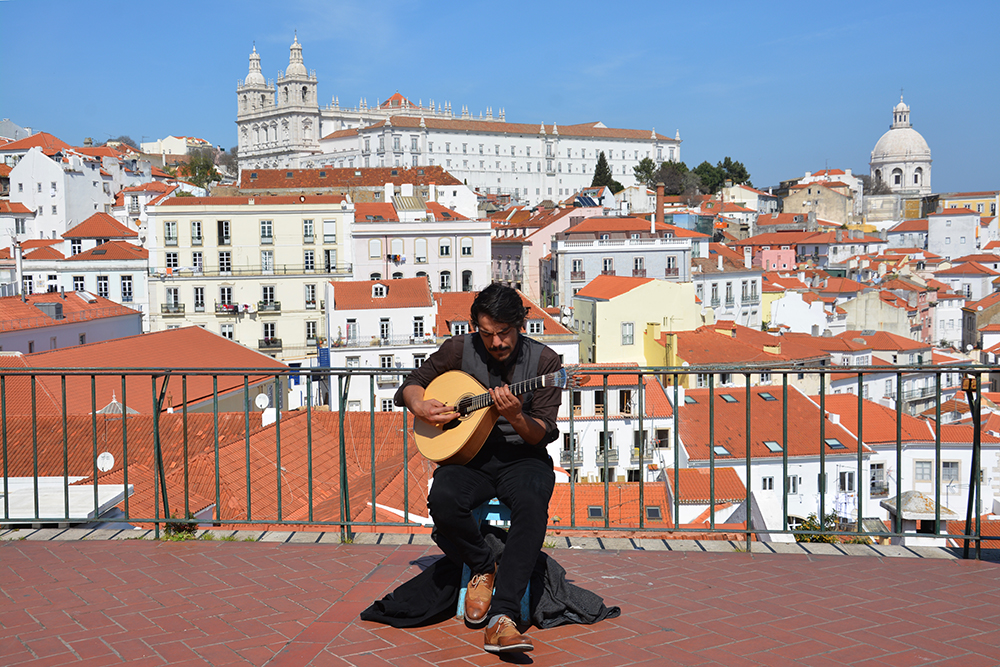
Is it possible that one day can change Lisbon’s urban planning? History of Lisbon shows an unusual metamorphosis, which can be seen in still existing districts Alfama and Baixa. The solutions implemented after the Great Lisbon Earthquake had a huge impact on the architecture of Portugal.
Alfama
The name of the oldest Lisbon neighbourhood came from an occurrence of mineral springs – an Arabic word Al-hamma meaning fountains or baths. But it is not the only one testimony of its origins. It was established by Maurs1 on the slope of the Tagus River. An urban plan imitated an unconquerable maze, which was a characteristic feature of Maghreb2. Narrow, steep streets hindered attacks on the contemporary city centre – citadel Castelo de São Jorge3. However, high-density housing had a negative impact on the sanitary and living conditions. That’s why the poorest people and fishermen lived in the area. Thanks to the high location, Alfama was the only survivor from the earthquake.
All Saints Day
1st November 1755 9:40 a.m. 3 minutes earthquake 8,7-9 on Richter’s scale 20 meters tsunami wave 5 days of fire 85% of the city destroyed 30,000–40,000 fatalities
Baixa Pombalina4
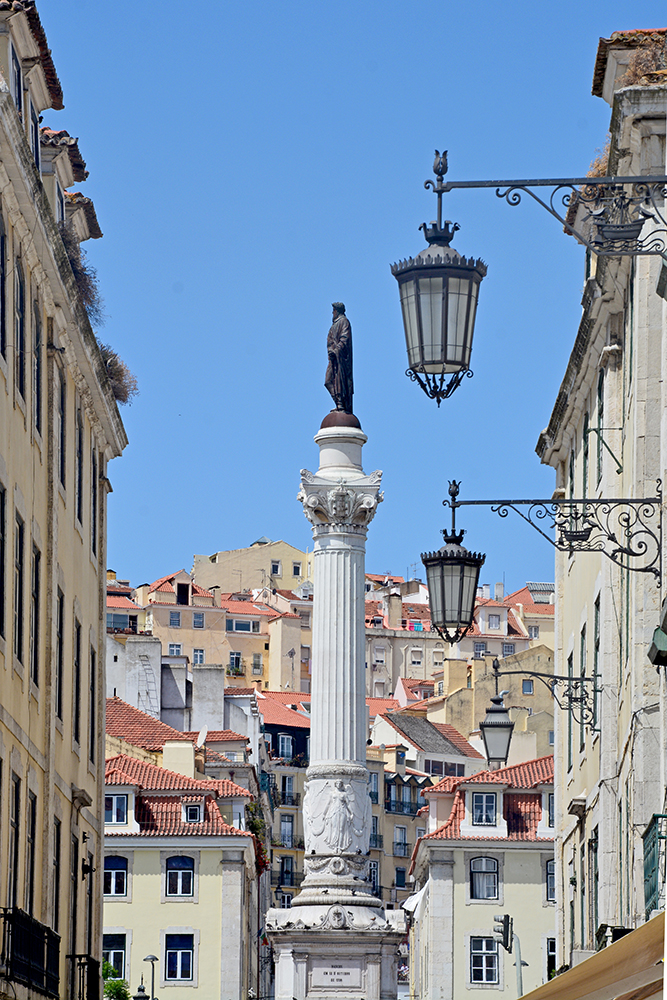
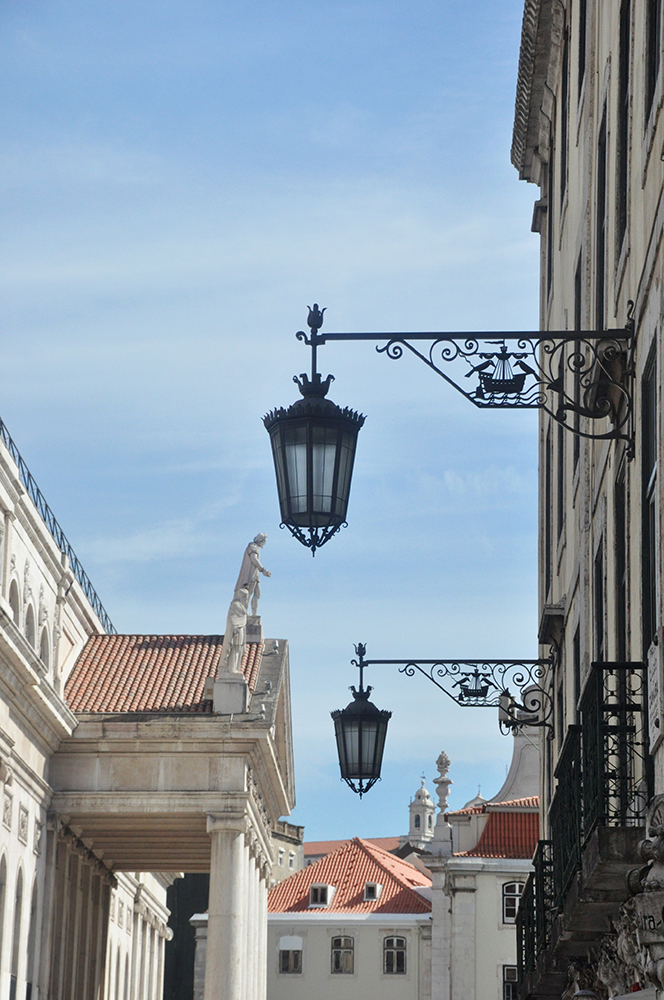
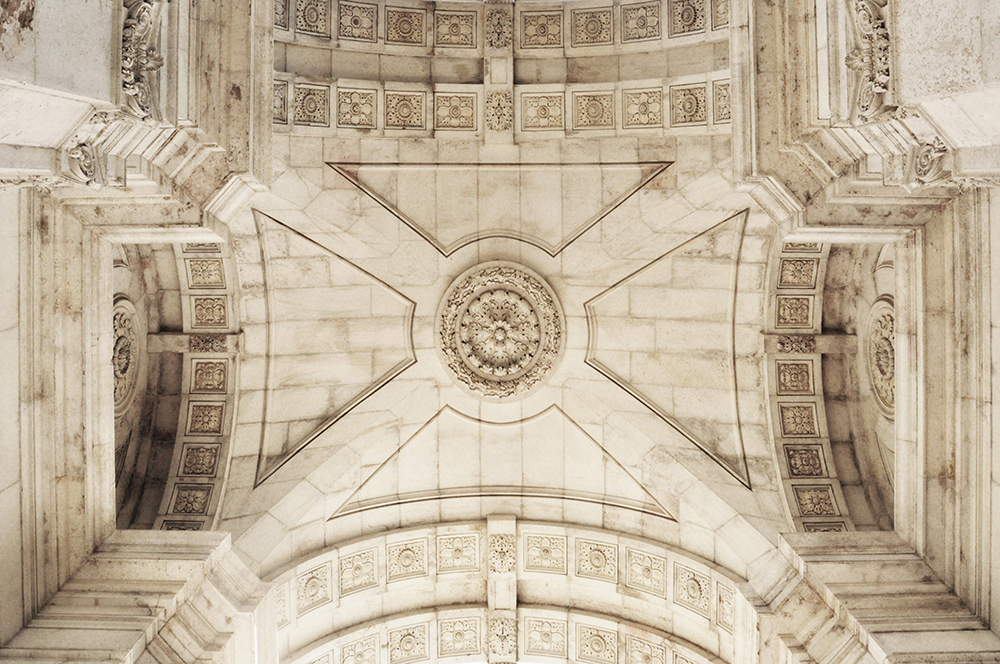
Lisbon’s urban planning and the reconstruction of the representative downtown after the earthquake was entrusted to Marquis of Pombal5. With the support of engineers Manuel da Maia, Eugénio dos Santos and Carlos Mardel he created innovative architectural and urban planning solutions. They designed everything taking into account sanitary conditions, seismic and fire protection. The urban planning scheme began near the Tagus – with the riverbanks protected by additional embankments. Spacious Praça do Comércio square built in the destroyed royal palace’s place, is surrounded by “U” shaped buildings. An orthogonal net of wide streets started from the main axis Rua Augusta, marked with a triumphal arch. Another square – Rossio – ends the whole urban scheme.
Earthquake Resistant Architecture
Monumental, classical buildings, except unified architectural detail, had a special construction, which distributes seismic forces – wooden cage structure and pile foundations. Tall detaching walls provided fire protection. Moreover, modern sanitary and sewer systems were also added. Usage of prefabricated elements has shortened reconstruction’s time. The Great Lisbon Earthquake brought specific architectural changes, which shaped features of the Pombaline Style. Technical and urban planning solutions became a model for many other cities around the world.
1Moorish domination on the Iberian Peninsula lasted from the8th until the 12th century. 2Region of North Africa created during Arab expansion in the Middle Age. 3Christian forces during Reconquista in the 12th century recaptured the castle.. 4Today’s district Baixa, partly Baxia-Chiado and Cais do Sodré. 5Actually, Sebastião José de Carvalho e Melo.
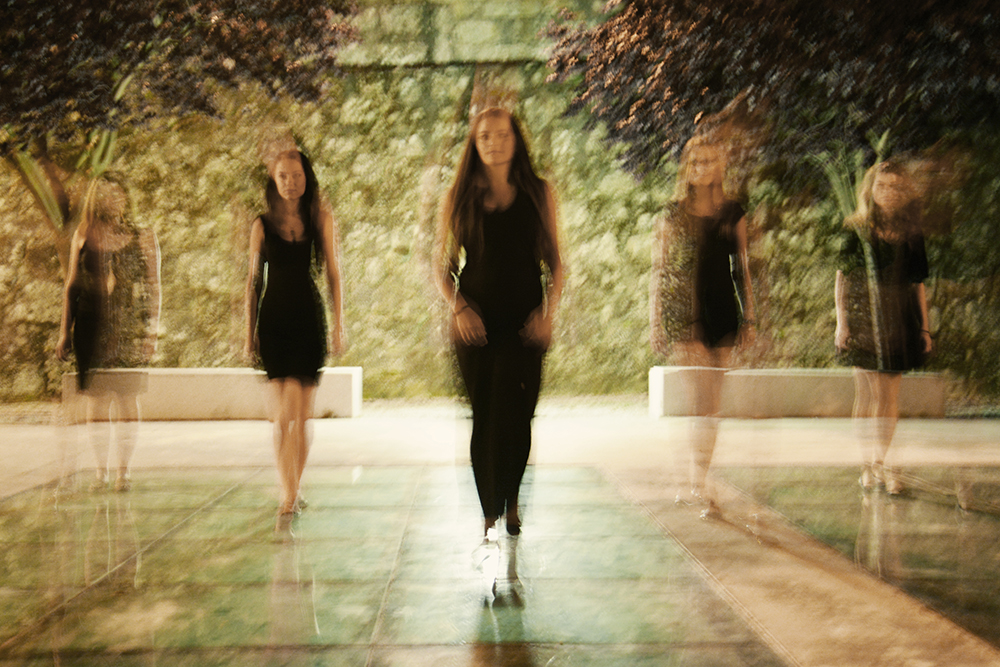
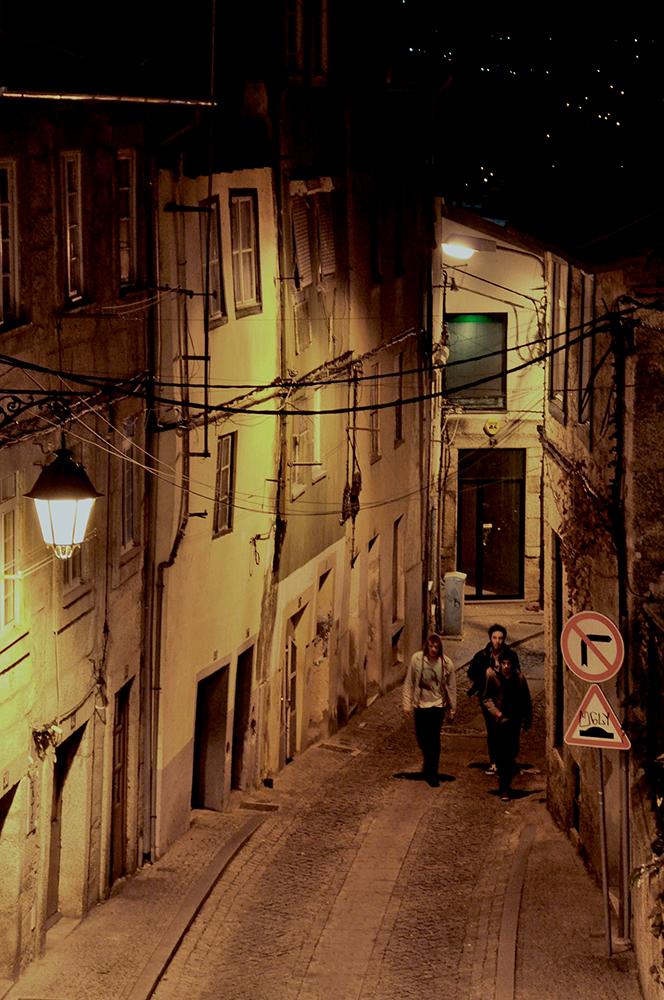
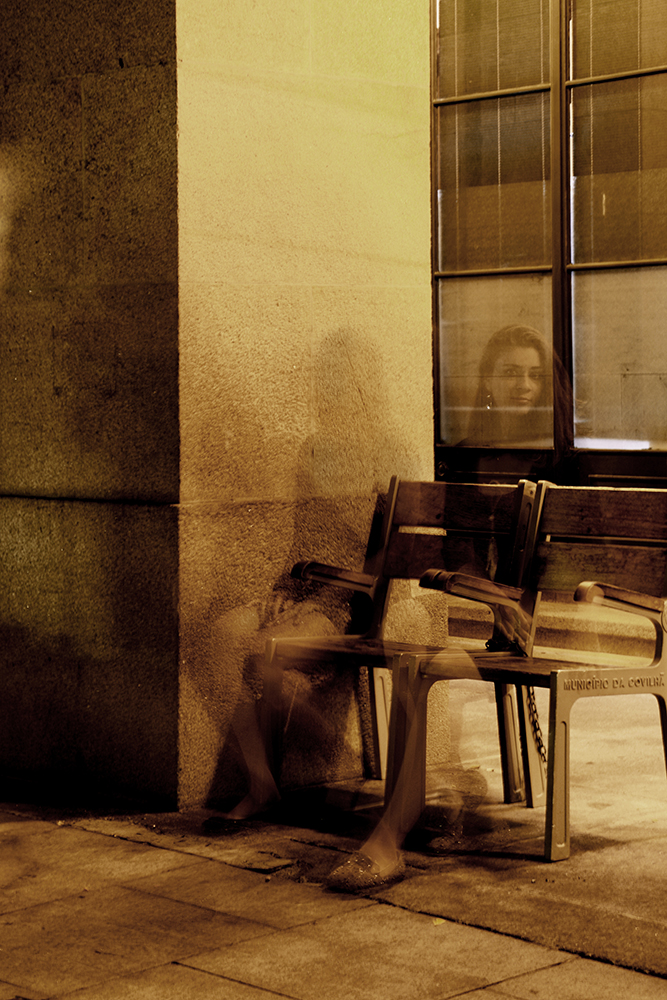
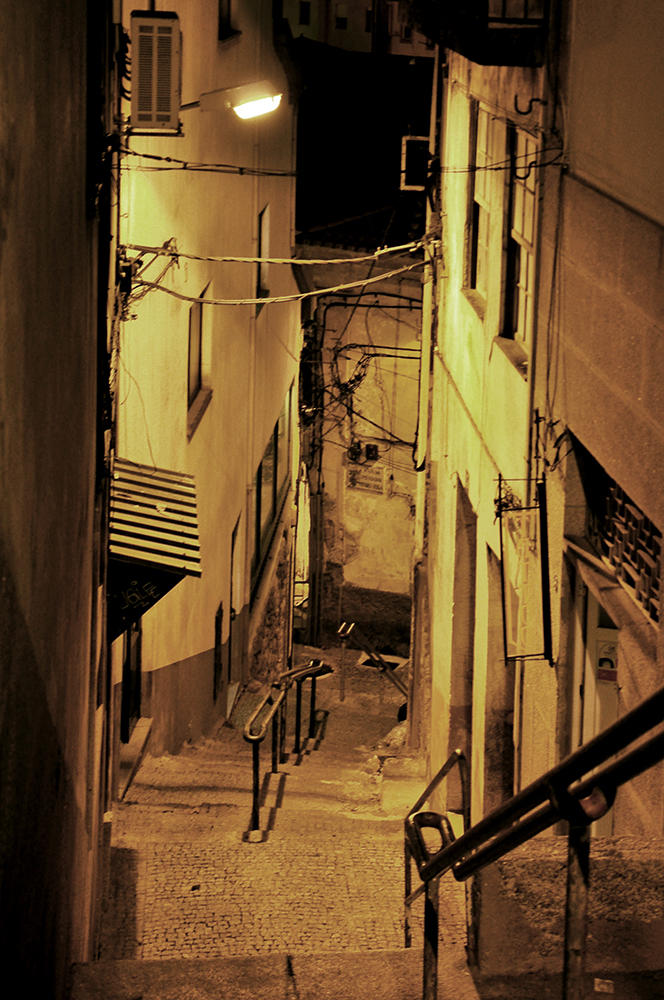
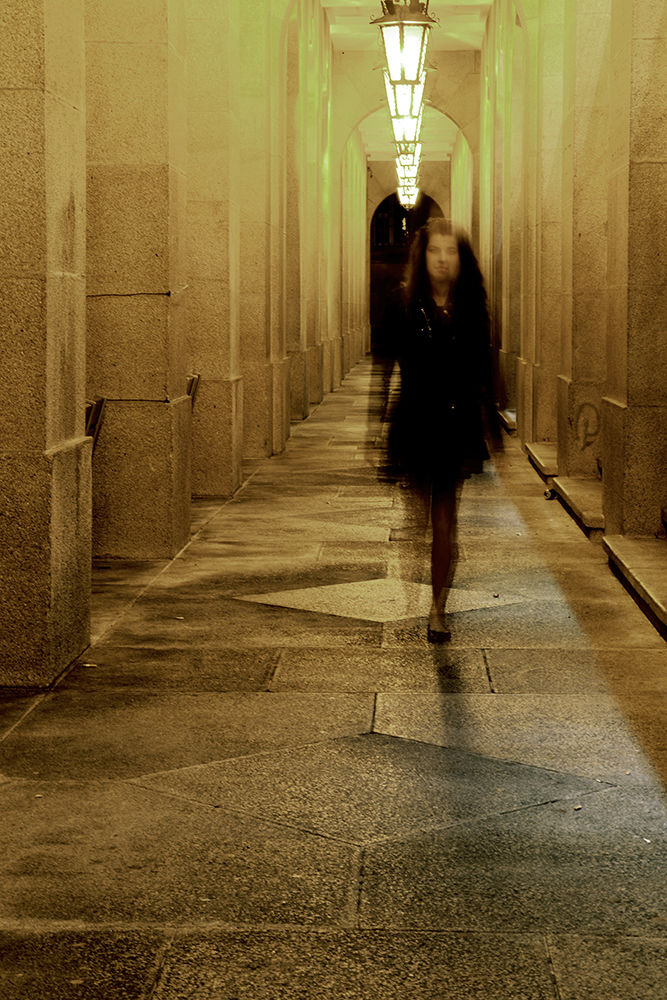
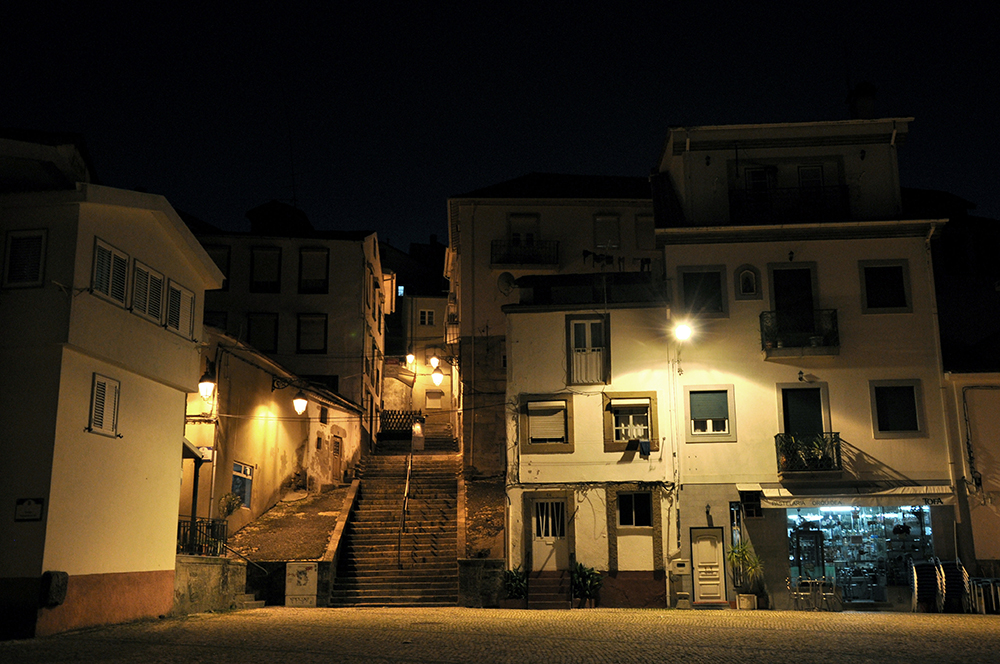
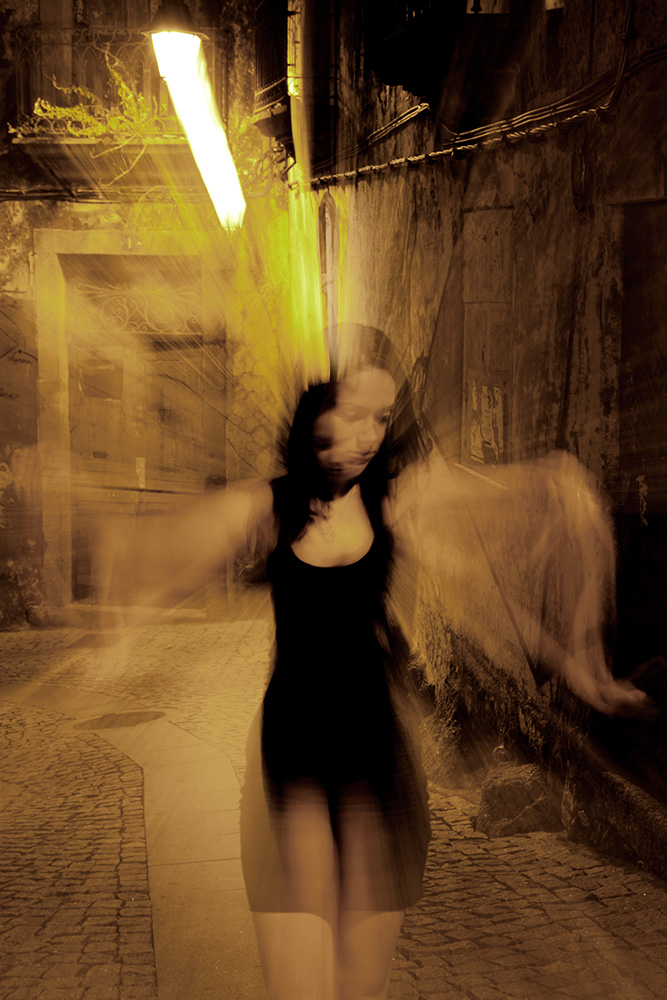
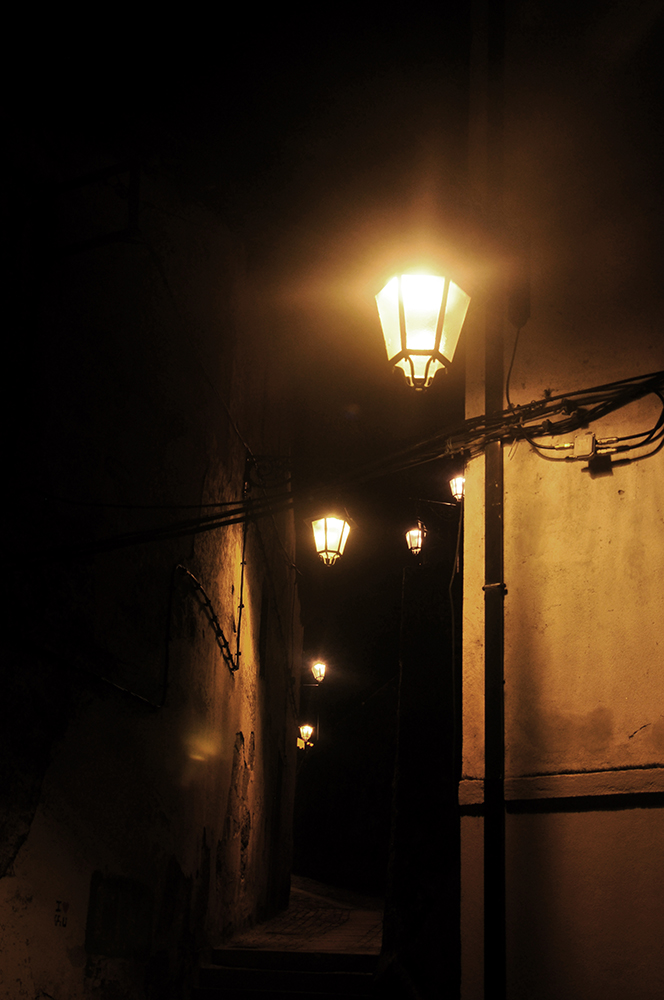
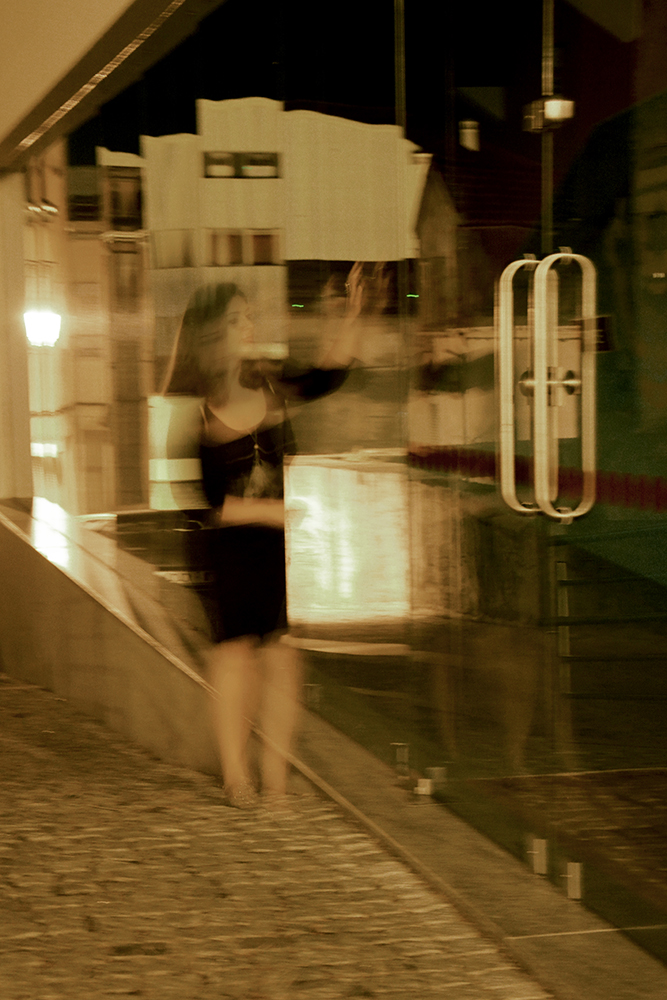
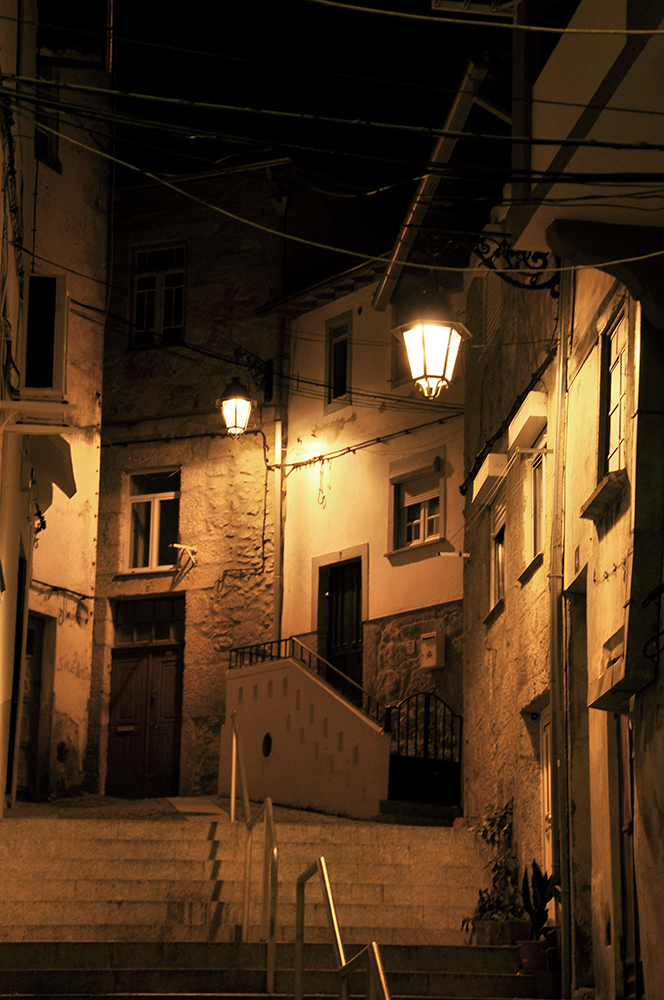
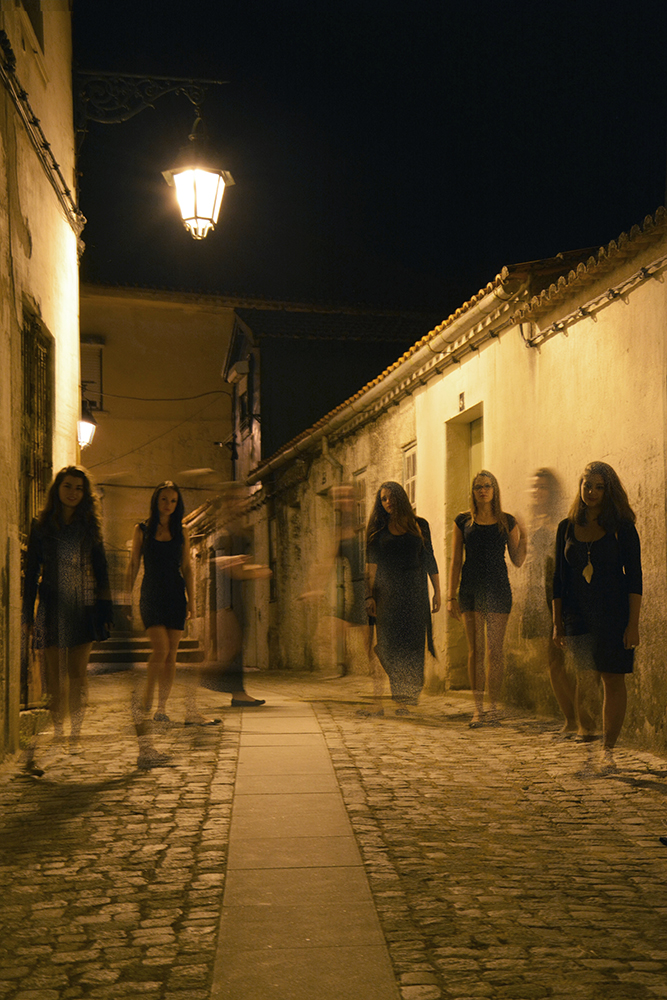
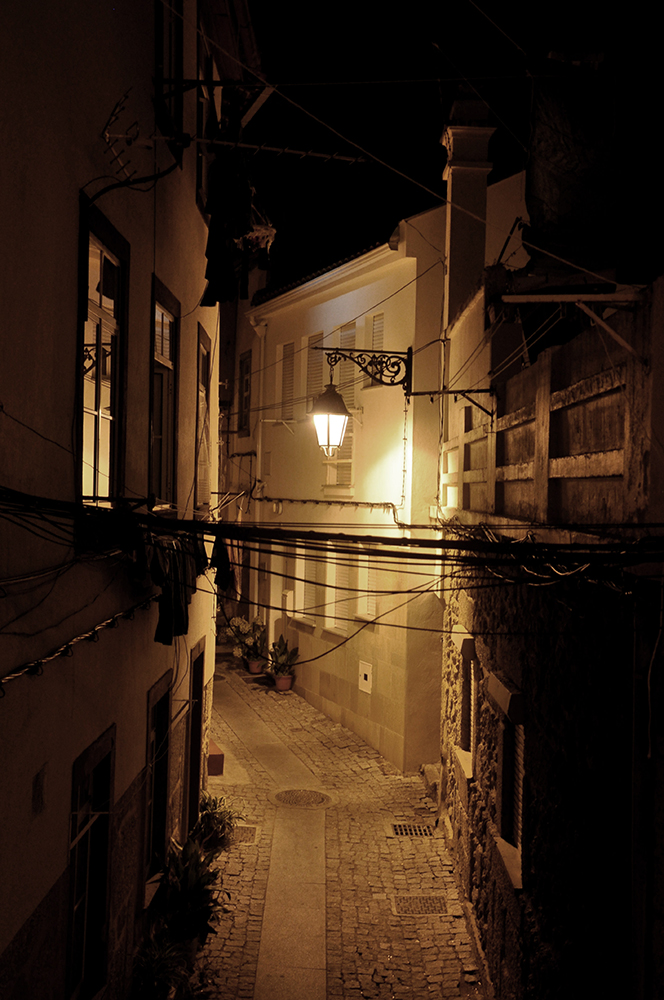
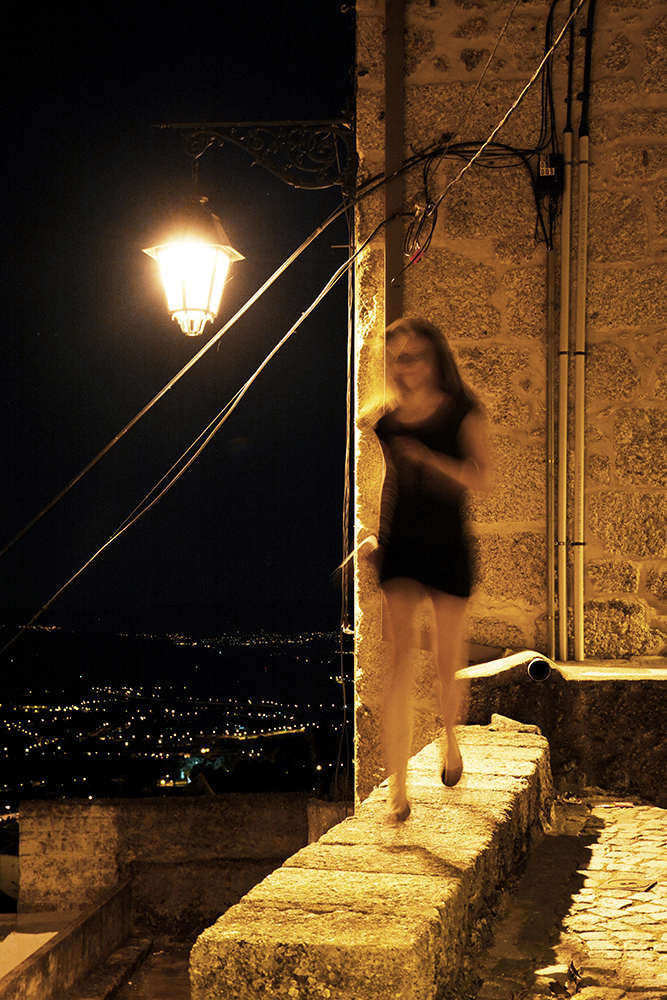
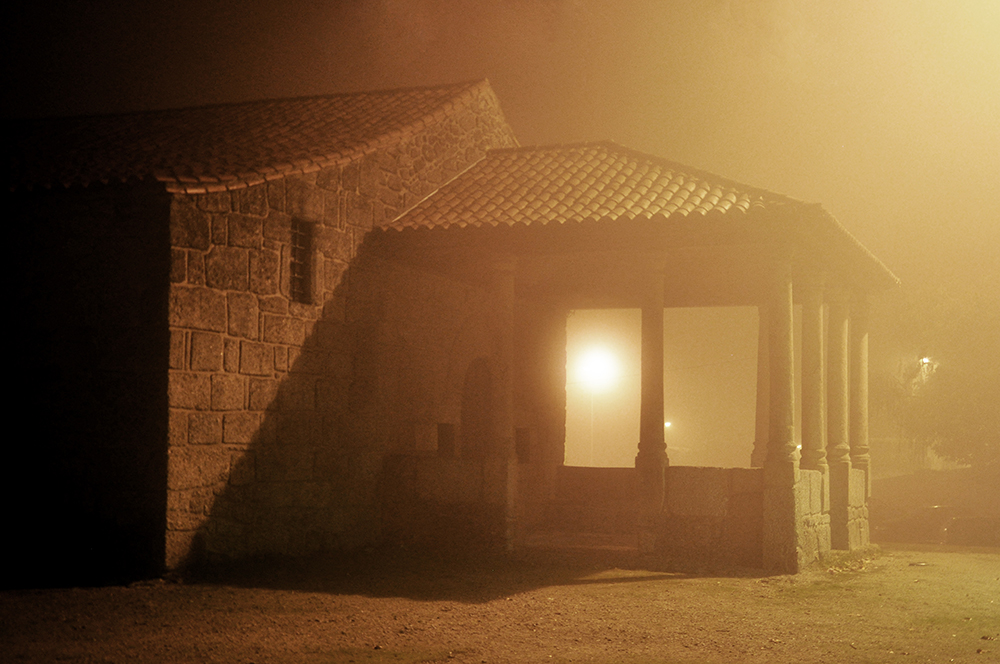
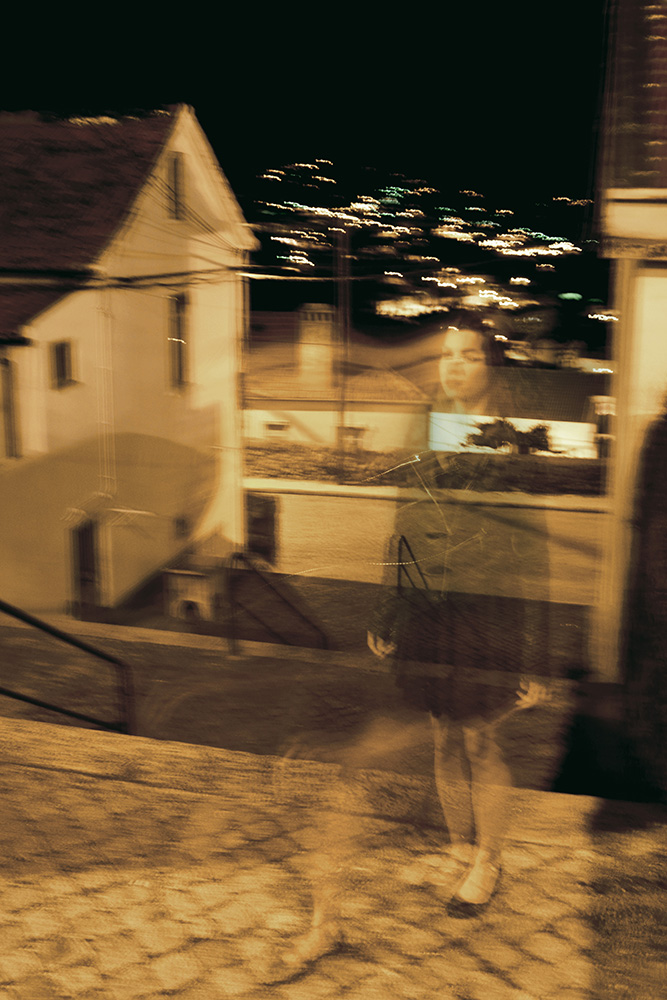
Covilhã is a ghost town. The night is falling with all memories and last lights of glory. Surreal, empty streets without the echo of steps. Blind windows of abandoned buildings. You exhale and mist appears … along with ghosts. Do not get me wrong, this hidden, quiet life fascinates me. During the sentimental journey on empty streets, you begin to discover your existence.
You can find this town of wool and snow at the base of Serra da Estrela – the highest mountain range in Portugal. The earthquake (1755) destroyed fortifications from the 12th century. Due to the developing textile industry it used to be called the Portuguese Manchester. After the bankruptcy of factories, some buildings were taken over by the University of Beira Interior, but many are still abandoned.
Architecture
Little Covilhã shows perfectly my favourite features of the Portuguese architecture. Brightly coloured houses keep simple, geometric shapes regardless of the age. White colour reflects the strong sun more easily. Entire urban planning profits thanks to that practical solution – the town forms consistent unity. Surprising game of levels uses every available land slope. The functionality of buildings does not have strict rules, but is rational. A house has day zone on the last floor, connected with the street on the same level. Night zone on lower floors is hidden from the strong sun. Modern and historical architecture coexist next to each other on gentlemanly rules – elegant, without domination. The abandoned buildings stimulate the imagination and became an inspiration for street art artists. This gave rise to the WOOL – Urban Art Festival. Mural and graffiti referring to the place’s identity created an open-air art gallery, hidden among narrow streets.
Why sentimental journey started there?
I was living there for 9 months during my first Erasmus. All shown photographs were taken in this period. Pictured women – my friends – filled emptiness and from little Portuguese town made a metropolis of changes.
ARTISTIC RECAPTURE OF THE STAINED-GLASS WINDOWS ILLUMINATION
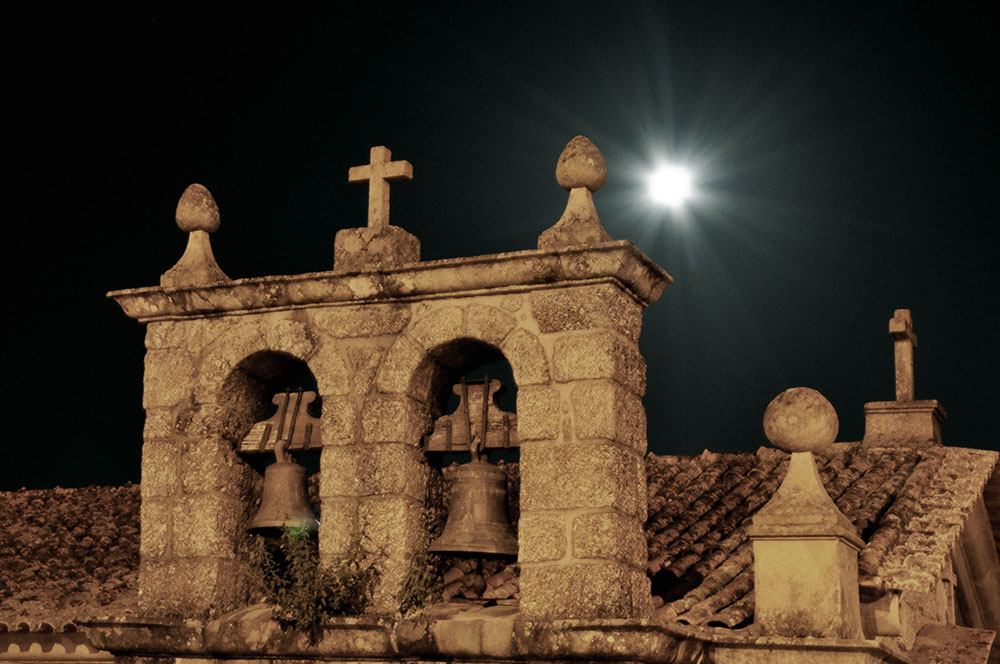
Early stained-glass windows and tinctorial techniques were used in ancient Egypt and Rome. However, only the construction and imagery of the gothic cathedrals allowed to use them in a more artistic way. First of all, straining arches enabled to create perforated volumes of temples and bigger openings. Secondly, the gothic style aimed at showing symbols of divine presence and greatness. And ‘God is light, […]’1. The light effects should impress believers. Moreover, stained-glass windows had an educational purpose. Images of religious scenes helped illiterate believers to become acquainted with the content of the Holy Bible, also known as Biblia Pauperum – ‘Paupers’ Bible’.
Colors
The taints are not random. White is a colour of innocence and purity, it pictures God. Red symbolises martyrdom but also love. Violet represents suffering and passion. Yellow, on the one hand, symbolises betrayal but at the same time power and glory. Blue is a colour of heaven, devotion and Marian cult. Green means revival and immortality. At first, colours were created by adding metal oxides into the molten glass. The material was supposed to represent precious stones (including their price). Nowadays stained-glass windows have special colouring, thanks to that mosaics are more colourful and accurate.
Light Creation
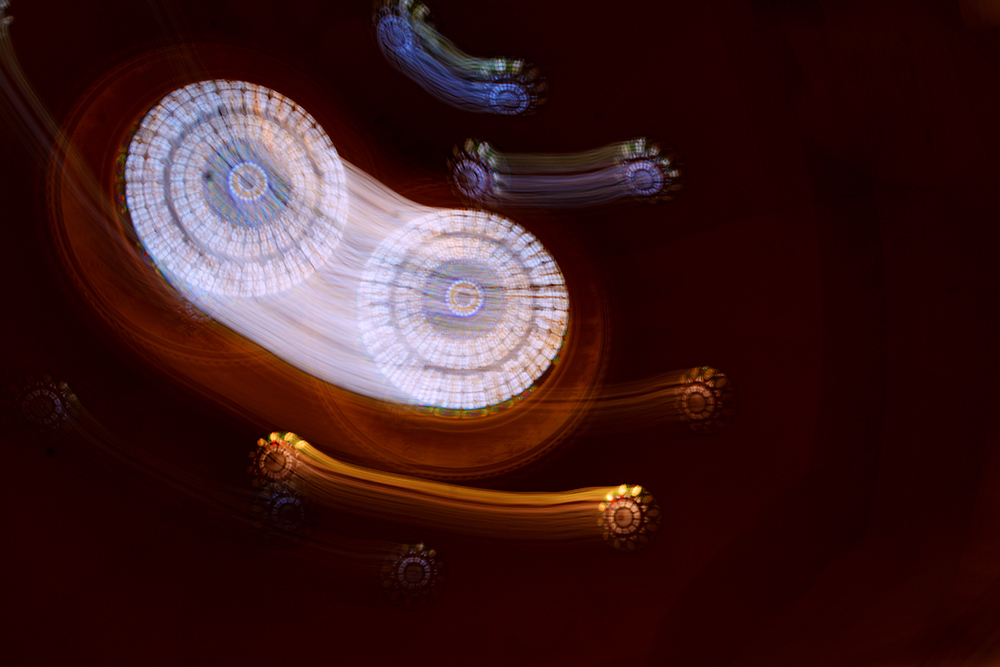
In my imagination, the moment in which the sun brightens the coloured glass creating a glittery mosaic of light was stunning. Every time, when I was visiting churches, I was waiting anxiously for this moment, when the sun would be in the right position, to see the expected illumination. Unfortunately, I have not been enlightened. However, it is not a surprise if we consider the usual position of churches. Mostly a presbytery2 is oriented east – in direction of Jerusalem. Because of that, stunning rosette and large format stained-glass windows placed on the front and back elevation are illuminated just during two brief moments of the day – sunset and sunrise. The biggest amount of light is entering through the windows on the side walls. Since I was not able to see that passing illumination, I tried to recreate the path of the light.
Annotations:
11 John 1:5b 2The main altar, space dedicated for priests and acolytes.
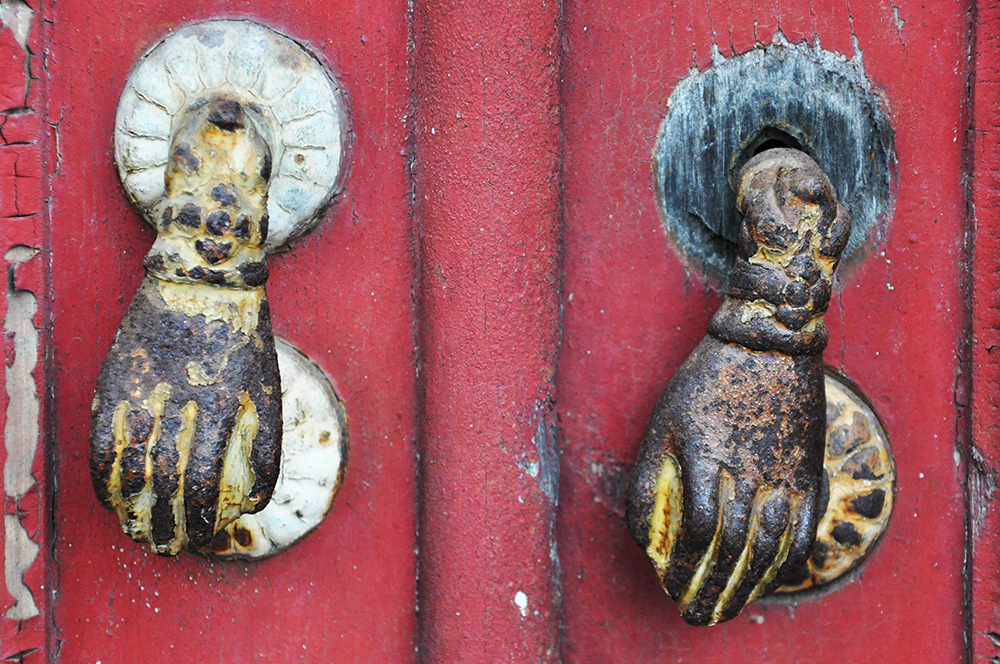
Travelling around Portugal I noticed that many doors have specific detail – hand-shaped door knockers. Firstly, I was thinking that they are just nice, old-fashioned way to welcome the quests. The visitors are able to shake hands even before seeing the host. But after some research, it transpired that this decoration has a deeper meaning and interesting history.
Hamsa
A form of the door knockers refers to Hamsa, known also as Fatima’s Hand. This palm-shaped amulet is present in many different religions, firstly in beliefs of ancient Mesopotamia and Egypt, then in Judaism and Islam. The word Khamsah in Arabic means “five” – number of the fingers in the hand. Hamsa protects against the evil eye, especially families and pregnant women. That is why the symbol appears commonly not only in jewellery, but also it was used as a home decoration. Moreover, it was a sign that showed the faith of the household. According to another theory, door knockers have male and female hands’ shape. Each of them makes a different sound. Islam considers it inappropriate for a woman to open the door to a man. Consequently, a way of rattling allows the host to recognize the gender of the guest, so the right person can welcome the visitor.
Why does this symbol appear in Portugal?
Hand-shaped door knockers are very popular in European countries, which were under Moorish occupation. Similarly, the presence of Judaism on the Iberian Peninsula is very significant. For instance, in Belmonte2 still exists the Jewish community that can be considered truly Portuguese and survived all turbulence of history.
One of my photos was chosen as a cover of the book written by historian Francisco Javier Martínez from the University of Évora in Portugal. The publication “Entangled peripheries. New contributions to the history of Portugal and Morocco.” is dedicated to the memory of Polish orientalist Prof. Eva-Maria von Kemnitz. This lucky coincidence makes me even more proud of my little part in this project.
Annotations:
1pt. mãos – hand 2Small town in Portugal, 75 km from Castelo Branco.












Recent Comments